Screen capture blocking and its practical uses for mobile security
A smartphone display routinely presents your most sensitive data: two-factor authentication tokens, crypto wallet recovery phrases, and confidential correspondence. Yet, stealthy banking trojans and commercial spyware can quietly record every pixel on your screen without triggering any visible notifications or alerts.
Stealth attack vectors exploiting mobile screen capture
On conventional mobile operating systems, screen-grabbing capabilities are not just used for sharing everyday graphics. Cybercriminals deliberately abuse accessibility services and media projection frameworks to establish persistent visual surveillance:
- Harvesting ephemeral 2FA codes: sophisticated trojans record one-time passwords from authenticator applications the exact moment they appear on the screen.
- Stealing seed phrases during wallet setup: when twelve-word recovery phrases are generated on-screen, background grabbers capture the plaintext secret and transmit it directly to attacker servers.
- Inadvertent cloud leaks: manual screenshots taken by users frequently upload automatically to unencrypted cloud backups, creating permanent remote exposure.
Technical mechanics of screen capture blocking in Zi0n
Screen capture blocking in Zi0n is not a cosmetic feature or an optional suggestion left to third-party apps. It is enforced deterministically at the system window manager and hardware graphics compositor level:
- System-wide compositor enforcement: the window compositor applies mandatory secure flags across all active layers, rendering display buffers entirely black to any external interception attempt.
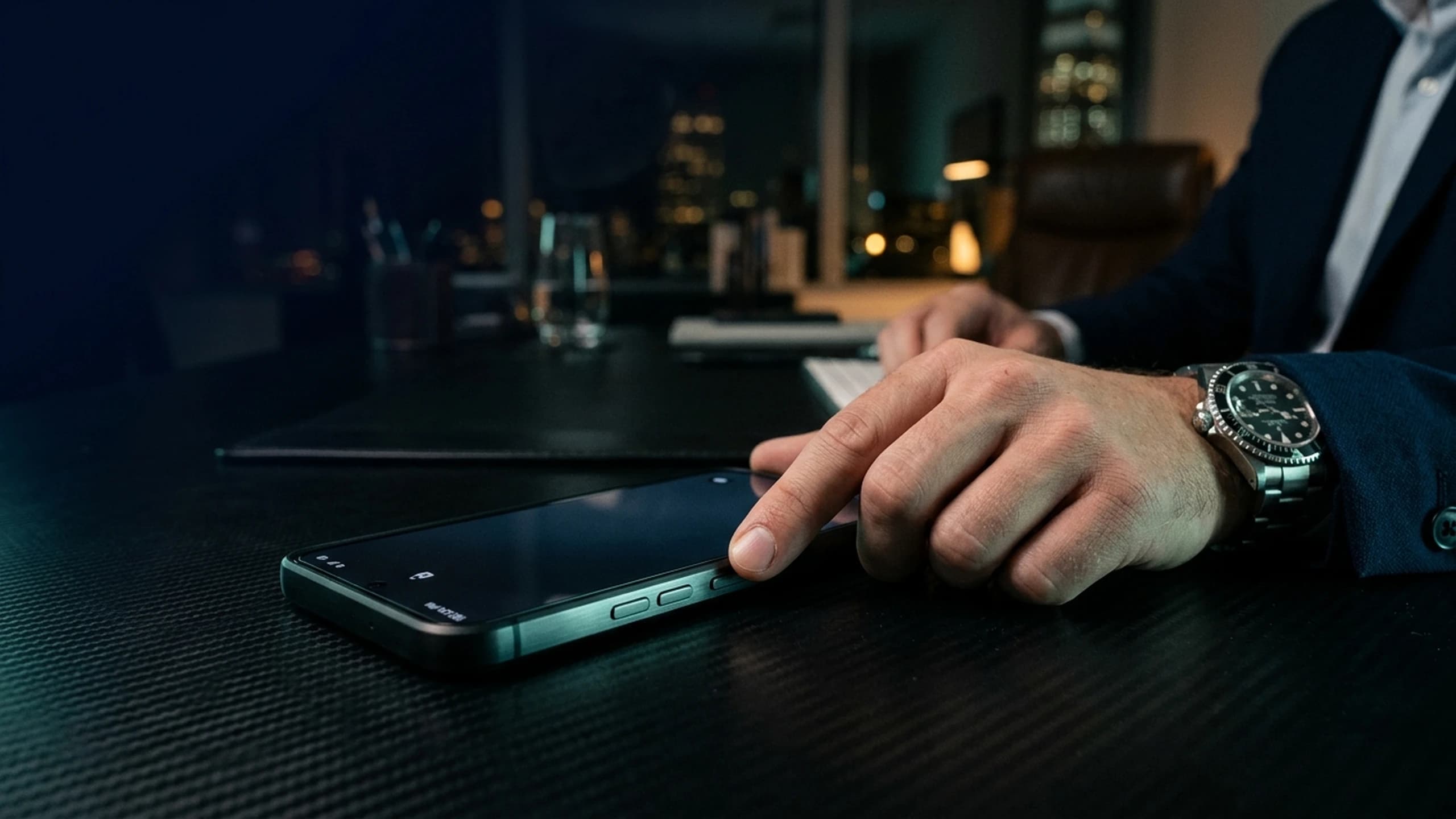
- Hardware shortcut suppression: physical button combinations involving volume and power buttons are suppressed whenever security mode is active, preventing accidental or coerced capture.
- Blackout on video recorders and external feeds: screen recorder utilities, remote desktop viewers, and HDMI output streams receive only pitch-black video frames empty of interface data.
Practical rules to safeguard confidential displays
Strengthening your defenses against unauthorized display surveillance requires disciplined routines:
- Never screenshot private credentials: always write down recovery phrases, passphrases, and private keys manually on cold physical steel plates.
- Audit accessibility service permissions: revoke screen-reading and overlay permissions from any application that does not have an absolute operational necessity.
- Activate screen protection during sensitive meetings: engage the anti-capture shield whenever viewing financial portfolios, proprietary contracts, or high-risk messages in public settings.
How does Zi0n secure your mobile display?
Zi0n bundles Screen Capture Blocking, physical camera and microphone kill switches, and strict process isolation into a hardened Android operating system free of telemetry. Your transactions and communications remain permanently shielded from visual espionage. Explore our security capabilities at https://zi0n.io.
Frequently asked questions
Can a banking trojan with accessibility access bypass this block? No. The restriction operates directly inside Zi0n's underlying display compositor, intercepting and blocking capture requests before third-party processes can read the framebuffer.
Does this restriction also prevent screen recording tools? Yes. Local screen recording applications and wireless display streaming tools capture only a completely black screen while the guard is active.
Can I temporarily re-enable screenshots when needed? Yes, Zi0n provides a quick toggle within the secure system settings, giving you intentional and granular control whenever capture is safe.
Could automated cloud backups still leak my sensitive screen images? Because no screenshot image files are ever created or written to device storage, the risk of accidental upload to cloud providers is entirely eliminated.