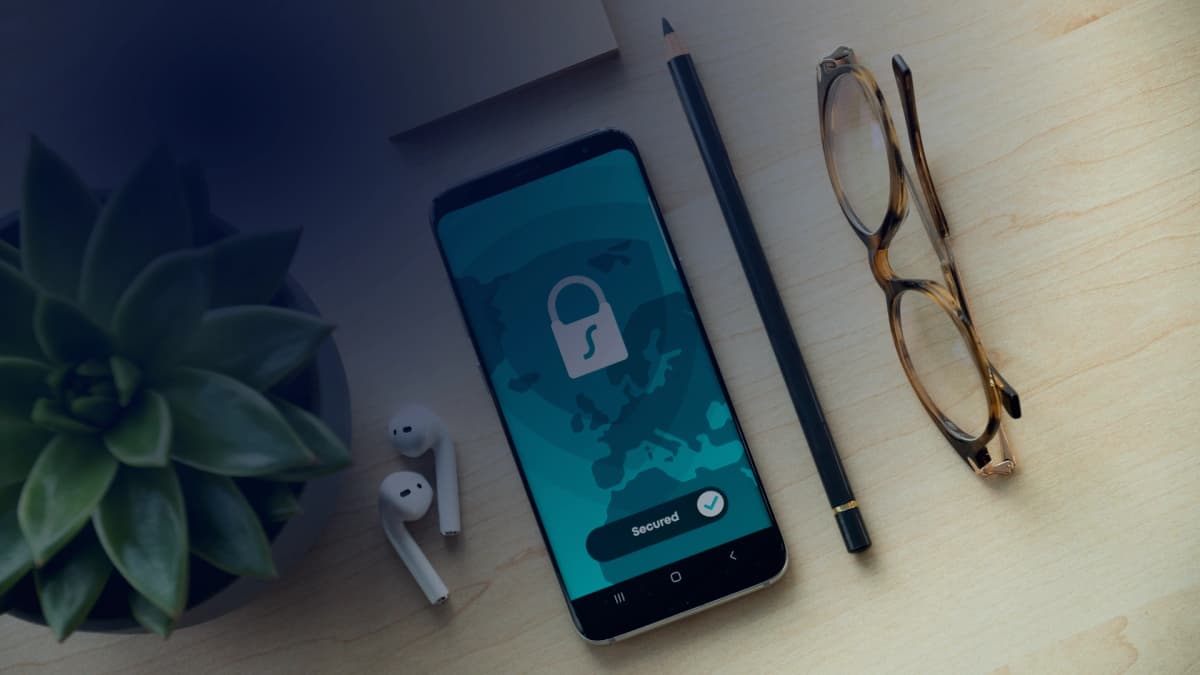

Crypto and travel: how to protect your assets abroad
Crossing international borders or moving through major transport hubs with a smartphone holding Web3 wallets creates an immediate exposure vector. Between intrusive border inspections, compromised public charging stations, and hostile wireless networks, your risk surface expands significantly the moment you step into unfamiliar jurisdictions. Operating with hardened hardware and disciplined defense protocols prevents catastrophic loss of digital wealth.
Critical attack vectors during international travel
Operating outside your controlled environment introduces tailored attack vectors aimed directly at digital asset owners in transit:
1. Border checkpoints and coercive hardware searches
Immigration officials in multiple countries claim sweeping authority to demand device passcodes under threat of detention, denial of entry, or device confiscation. During these closed-door searches, automated extraction devices such as Cellebrite and GrayKey clone internal storage, siphon private keys from hot wallets, and map your financial footprint.
2. Untrusted public Wi-Fi networks and rogue captive portals
Open Wi-Fi networks across airport lounges, train hubs, and hotels provide ideal staging grounds for man-in-the-middle (MitM) attacks. Rogue network operators alter DNS queries, present falsified SSL certificates, and monitor unencrypted traffic to hijack active exchange trading sessions.
3. Public USB charging kiosks and juice jacking threats
Plugging your device into public USB charging ports in airport concourses exposes the hardware bus to juice jacking attacks. Modified charging stations attempt to initiate debug protocols, install spyware, or clone raw flash partitions while you recharge.
4. Local SIM card registration and 2FA interception risks
Purchasing local physical SIM cards at airport kiosks often mandates passport scanning and connects your communications to vulnerable regional telecommunication carriers. Corrupt insiders or local cybercriminals can execute unauthorized SIM swaps to intercept two-factor SMS authorization tokens.
5. Hotel room intrusions and evil maid attacks
Storing a backup phone or hardware wallet inside a hotel safe provides false comfort. Unmonitored third parties with master physical access can conduct evil maid attacks, flashing tampered firmware or extracting unencrypted artifacts while you are away from the room.
Zi0n defensive mechanisms built for crypto travelers
To defeat these targeted travel threats, Zi0n deploys hardware-enforced safeguards and specialized cryptographic controls:
Private global data connectivity via international eSIM
Zi0n provides an integrated international eSIM functioning across more than 190 countries without civil identity verification or physical SIM swaps. You establish encrypted cellular data connectivity the moment your flight touches down, mitigating carrier tracking and SIM cloning risks.
Defeating forced inspections with the Duress PIN
When border authorities or hostile adversaries demand access under coercion, entering your secondary Duress PIN mounts an authentic, clean operational space. This environment contains zero crypto wallets, private keys, or confidential chats, protecting your physical well-being without alerting inspectors.
Instant key destruction against forensic tools via Cable Wipe
If an unauthorized forensic cable or hostile USB socket initiates a data transmission attempt, the Zi0n Cable Wipe subsystem triggers instant zeroization of master decryption keys within the hardware secure element.
Censorship resistance through a decentralized VPN
All network traffic routes seamlessly through a decentralized VPN network featuring dynamic IP rotation. Your crypto transactions and sensitive exchanges remain completely invisible to local Internet service providers, state firewalls, and malicious local routers.
Autonomous self-destruction during containment or signal loss
If an adversary places the seized smartphone inside a Faraday shielding bag to prevent remote wipe commands, the internal inactivity countdown timer initiates a full automated wipe once the threshold expires without valid user authentication.
Operational security checklist before traveling
To safeguard your digital assets before departing on any international itinerary, implement these foundational practices:
- Never travel with recovery seed phrases: Leave all written, etched, or plain-text seed phrases in secure, air-gapped home safes. Carrying mnemonic seeds across borders introduces unnecessary physical vulnerability.
- Segregate travel capital from cold reserves: Maintain only immediate operational spending balances on portable wallets. Keep your foundational capital in multi-signature cold storage that cannot be moved from a mobile handset.
- Disable biometric authentication at border control: Legal frameworks frequently grant weaker statutory protections to fingerprint or facial recognition than to memorized passcodes. Use complex alphanumeric codes when entering border security zones.
- Deploy hardware privacy switches: Utilize hardware toggles within Zi0n to disable microphones, cameras, and screenshot APIs in dense public terminals.
Explore the complete architecture and protective capabilities of the Zi0n platform at https://zi0n.io.
Frequently asked questions
Are travelers legally required to declare cryptocurrency holdings at customs? Most jurisdictions regulate physical fiat currency or negotiable instruments above fixed cash thresholds. However, carrying devices with identifiable crypto applications can lead to intrusive investigations, making a Duress PIN profile essential for privacy preservation.
How does Cable Wipe differentiate safe charging from forensic extraction? Standard chargers supply power pins exclusively. If pins initiate data handshake protocols without signed cryptographic user authorization, Zi0n identifies a forensic extraction attempt and wipes key storage instantly.
Can I trade on restricted crypto exchanges while overseas using Zi0n? Yes. Zi0n's built-in decentralized VPN routes traffic through diverse global exit nodes, avoiding localized geo-blocking and preventing third parties from fingerprinting your transit IP.
What happens if local authorities seize my phone and disconnect it from cellular towers? The autonomous inactivity auto-wipe timer operates entirely offline. Once the configured countdown runs out without your primary passcode being submitted, the secure element destroys all cryptographic partitions.