Automatic wipe on cable detection: the Wipi feature explained
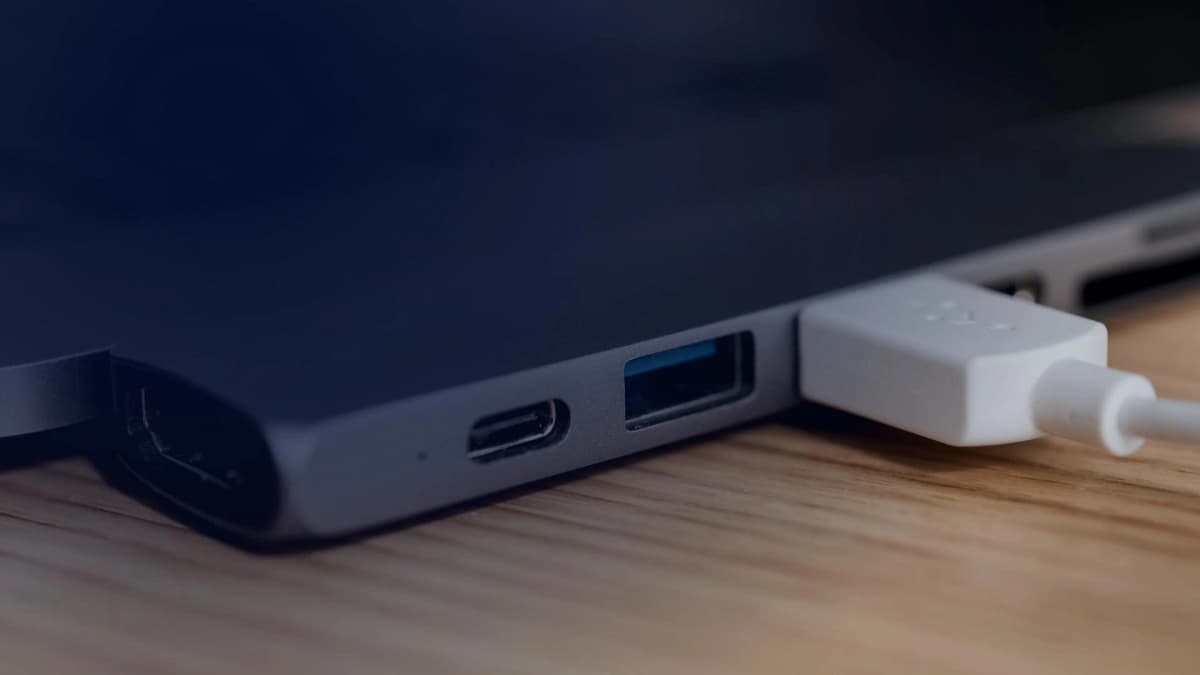
Plugging in a physical USB cable remains the fastest method for attackers to extract data from a seized or intercepted mobile device. When facing forensic workstations capable of bypassing lock screens in seconds, Zi0n's Wipi feature delivers an uncompromising physical defense: immediate cryptographic destruction of master keys the instant an unauthorized data cable is detected.
The threat of physical USB cable extraction
During border crossings, targeted thefts, or judicial seizures, adversaries rarely waste time guessing passwords. Instead, they immediately hook the device up to commercial forensic extraction boxes such as Cellebrite UFED or GrayKey.
These specialized units exploit hardware vulnerabilities that standard operating systems cannot mitigate:
- Emergency download injection (EDL / BootROM modes): bypassing Android's kernel protections before the system even boots.
- Hardware-accelerated brute force: emulating keystrokes at extreme frequencies without triggering software lockout timers.
- Malicious charging stations (juice jacking): tapping USB data lines in public airports or hotels to harvest private files while the device charges.
Leaving data lines responsive turns encrypted storage into an accessible target within minutes.
Technical mechanics of the Wipi protocol
The Wipi feature in Zi0n (known as Cable Wipe) is far from a simple userland application. It is hardwired into the power management controller and USB communication layer.
1. Microsecond data line detection
A genuine AC adapter or certified power bank only delivers voltage through the power pins (VBUS and ground). In contrast, an analysis station or host computer immediately begins high-speed packet negotiation over the differential D+ and D- lines, or CC pins on USB-C. Zi0n's hardware controller identifies this electrical handshake within microseconds. When the phone is locked under high-security mode, any incoming data negotiation is treated as a physical breach.
2. Instant master key shredding in the Secure Element
Overwriting hundreds of gigabytes of flash storage would take minutes, offering attackers ample time to interrupt the process. Wipi attacks the problem at its cryptographic foundation: the firmware fires an emergency command directly to the Secure Element / HSM. In nanoseconds, the AES-256 master file-based encryption (FBE) keys are zeroized. Without these keys, residual storage becomes nothing more than undecipherable white noise.
3. Fully autonomous operation with zero network dependency
Conventional Mobile Device Management (MDM) remote wipes rely on cellular or Wi-Fi connectivity. Standard forensic protocol mandates placing confiscated devices inside a Faraday bag immediately, severing all radio signals. Zi0n's Wipi functions completely offline: it requires no SIM card, no cellular signal, and no remote server confirmation to safeguard your digital assets.
Operational best practices
To take full advantage of Wipi without accidental triggers during daily routines, follow these key recommendations:
- Enable cable wipe before traveling through hostile environments: set the threshold so that any unauthorized data connection in locked state initiates an instant wipe.
- Deploy USB data blockers: when charging on untrusted public ports, use a physical data blocker that severs the D+/D- lines, allowing power flow while preventing Wipi triggers.
- Store recovery seeds securely offline: keep your crypto wallet seed phrases and PGP recovery keys recorded on offline physical backups.
Zi0n's unified defense architecture
Wipi is an integral component of Zi0n's defense-in-depth architecture, operating alongside the Duress PIN, inactivity autodestruction timers, and physical kill switches for cameras and microphones. This comprehensive hardening delivers absolute peace of mind against both digital intrusion and physical confiscation. Explore the complete technical specifications at https://zi0n.io.
Frequently asked questions about Wipi
Will a standard wall charger trigger the Wipi wipe?
No. Certified wall chargers and power banks do not have active data communication channels. Zi0n's controller easily distinguishes clean electrical charging from host data negotiations.
Can shredded data be recovered in a forensic cleanroom?
No. Once the encryption keys in the Secure Element are wiped, decrypting the remaining flash memory is mathematically impossible even with direct chip extraction.
Does Wipi work when the device is powered down?
Yes. The low-level power controller monitors the USB interface as soon as current is detected, instantly wiping keys if an EDL boot or test interface is forced.
How does Wipi differ from standard remote wipe solutions?
Remote wiping fails as soon as an adversary shields the phone in a Faraday pouch. Wipi operates locally in silicon, without any network requirement.