
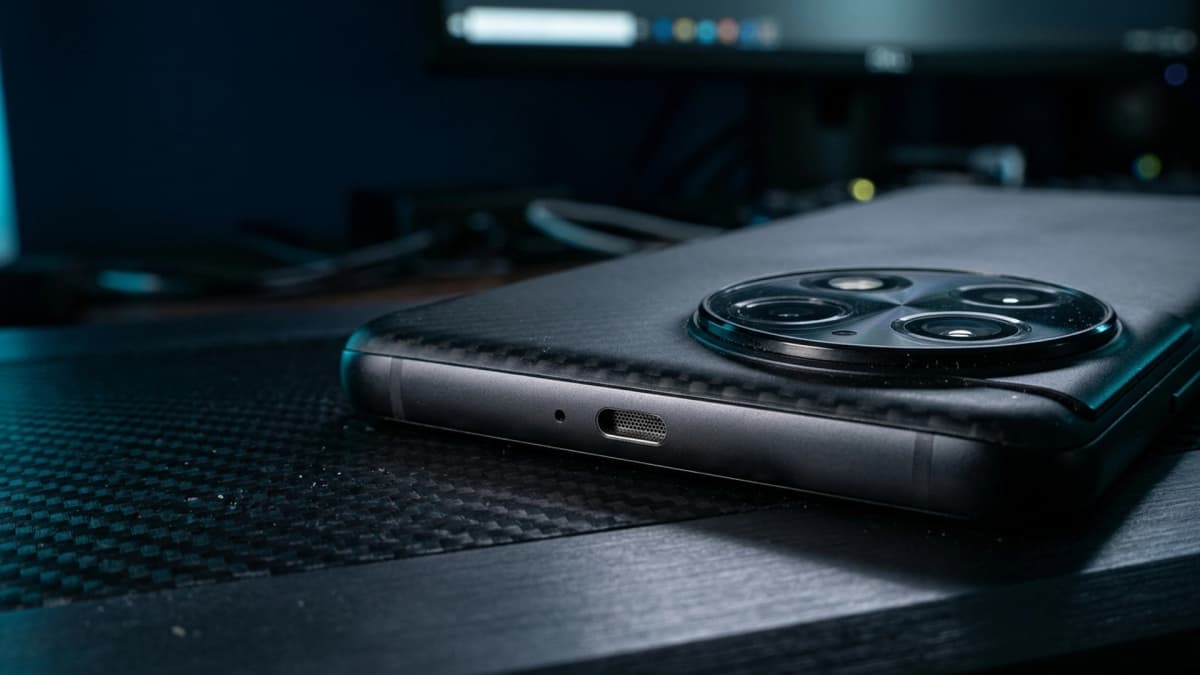
Camera and microphone deactivation in 2026: what has changed
For nearly a decade, mainstream smartphone manufacturers conditioned users to believe that a small green dot in the status bar or a simple toggle inside system settings was enough to safeguard their privacy. In 2026, that illusion has collapsed entirely under the weight of sophisticated cyber threats. Modern spyware bypasses high-level user interface notifications with ease, covertly capturing ambient sound and visual surroundings without leaving any visible clue.
This tactical shift has forced mobile cybersecurity to rebuild sensor defense from the ground up. Muting a microphone or disabling a camera lens is no longer treated as a revocable software permission inside a graphical settings panel. It has evolved into a rigorous engineering discipline combining kernel-level decoupling, hardware bus isolation, and active cryptographic deception.
The end of the green indicator illusion against modern spyware
Traditional permission models suffered from an inherent architectural flaw: they relied on the very operating system layer that sophisticated attackers actively compromise. Once a malicious payload acquires root privileges or exploits a zero-click vulnerability, visual status indicators become meaningless:
- Bypassing system notification services: advanced spyware injects code straight into the Hardware Abstraction Layer (HAL), siphoning raw sensor feeds without triggering UI status indicators.
- Low-power background eavesdropping: dedicated audio digital signal processors (DSPs) are hijacked to record spoken conversations continuously while the main application processor remains asleep.
- Stealth exfiltration through legitimate channels: intercepted audio snippets are encrypted on-device, compressed, and funneled out inside standard network traffic during routine background syncs.
When surveillance tools operate beneath user-facing software, toggling an access switch in standard phone menus offers no real barrier for individuals managing high-value crypto assets or privileged commercial discussions.
Genuine acoustic and visual privacy cannot rely on a graphical screen indicator; it demands the absolute technical impossibility for sensors to deliver raw data to the operating system.
Key technological breakthroughs implemented in 2026
The high-security mobile sector in 2026 has introduced hardened mitigation layers engineered to withstand full compromise of the user environment:
Kernel-level driver decoupling and hardware bus isolation
Instead of filtering API requests at the application framework level, security-hardened systems cut sensor access directly within the kernel. Device nodes associated with camera sensors and microphones are dynamically unmounted, making it impossible for untrusted processes to obtain file descriptors to read them.
Dummy stream injection and synthetic decoy feeds
To counter modern malware designed to detect when it is being blocked, modern security architectures deploy active deception. When an unauthorized background service attempts to query a microphone or camera, the operating system feeds it a continuous stream of pure digital silence or synthetic blank frames, preventing the implant from altering its tactics or searching for fallback vectors.
Strict profile compartmentalization
Sensor controls are no longer applied as an all-or-nothing system setting. In 2026, security is enforced through isolated execution sandboxes: environments dedicated to hardware crypto wallets and encrypted messaging operate under permanent sensor lockdown, while standard profiles retain the flexibility required for regular work calls.
Best practices to secure your acoustic and optical perimeter
To minimize your exposure to covert listening and unauthorized surveillance, adopt disciplined operational routines:
- Revoke persistent background permissions: restrict camera and microphone access strictly to one-time permissions during active, foreground usage.
- Isolate sensitive workflows in compartmentalized profiles: keep financial applications and sensitive communications within dedicated sandboxes stripped of sensor hardware access.
- Audit connected wireless peripherals: avoid generic Bluetooth headsets or accessories that can be hijacked as unmonitored relay microphones.
- Rely on zero-trust hardened operating systems: transition to devices where sensor deactivation is enforced directly within the firmware and kernel architecture.
How Zi0n delivers uncompromising sensor neutralization
The Zi0n platform was engineered from inception to eliminate the architectural flaws plaguing consumer smartphones. Rather than depending on cosmetic indicators or bypassable permissions, Zi0n enforces a comprehensive zero-trust hardware and software policy that severs sensor access at the architectural core.
On a Zi0n device, users maintain immediate granular authority over all physical inputs: microphones and camera modules can be severed instantly on demand. This protection works synchronously with the device's broader defensive fabric, including built-in screenshot prevention, protected volatile memory, and automated countermeasures such as Cable Wipe during forensic extraction attempts. To explore the complete Zi0n security architecture, visit https://zi0n.io.
Frequently asked questions
Can the green indicator dot on Android or iOS still be trusted in 2026?
It remains helpful against poorly written commercial apps, but it is powerless against sophisticated spyware or zero-click exploits that capture sensor streams beneath the display layer.
Is it possible for malware to record audio without activating the primary microphone?
Yes. Attackers can repurpose secondary noise-canceling microphones or process high-frequency motion sensor data from gyroscopes to reconstruct intelligible speech.
How does Zi0n sensor blocking differ from standard airplane mode?
Airplane mode only disables radio transmitters, leaving audio and video sensors active for local recording. Zi0n directly isolates optical and acoustic input channels at the system driver level.
Can sensor deactivation be toggled smoothly during daily use?
Yes. Zi0n allows users to toggle sensor availability instantly or run distinct isolated profiles, ensuring seamless day-to-day communication without compromising secured spaces.