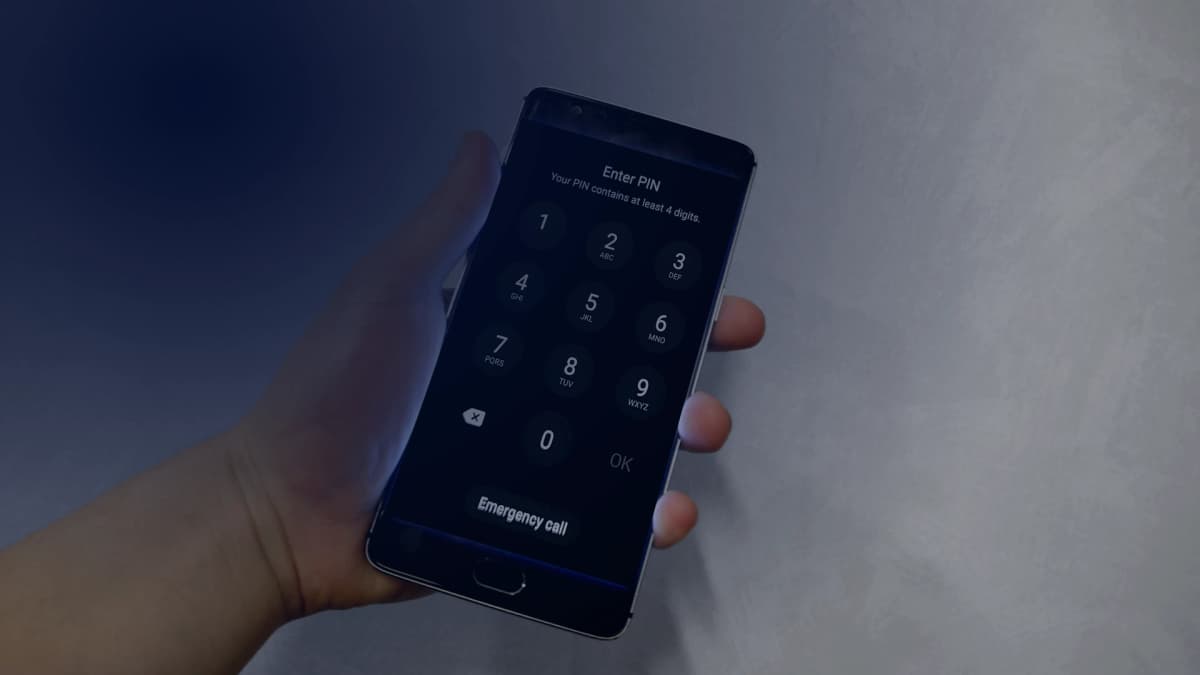

2027 forecasts for mobile crypto security
Self-custody of digital assets enters a critical phase where smartphones serve as the central hub for Web3 operations. Approaching 2027, cybercriminal syndicates abandon trivial scams to launch automated campaigns targeting hardware silicon, baseband firmware, and mobile carrier signaling protocols.
Confronting zero-click payloads and portable forensic extraction suites, standard consumer smartphones fail to protect digital wealth. Understanding these systemic threat vectors is essential to safeguarding private keys before targeted attacks occur.
Emerging mobile threat vectors on the 2027 horizon
Cybersecurity research identifies an aggressive shift in risks confronting traditional devices. The primary danger arises from artificial intelligence-driven zero-click exploits. These vectors compromise operating system memory through silent data packets, requiring no user interaction or app downloads.
The second critical vector stems from automated SIM swapping and cellular radio interception. Adversaries exploit structural weaknesses in carrier roaming protocols, bypassing standard authentication to divert transaction approvals in real time.
Furthermore, physical device seizure has become an urgent threat. Forensic extraction suites can duplicate flash memory across unprotected USB interfaces within minutes, neutralizing standard lock screens once physical custody is compromised.
In 2027, securing digital assets requires moving beyond software patches : real defense demands hardware that refuses to interact with adversarial tools.
Technical analysis : transitioning to hardware Zero-Trust architecture
To defeat these targeted threats, resilient security frameworks discard legacy permissions in favor of strict Zero-Trust isolation enforced directly at the silicon level.
Eliminating zero-click exploits through strict memory sandboxing
Neutralizing silent memory corruption requires uncompromising process segregation. During cryptographic signing routines, private key material resides in volatile RAM only for the microsecond required to compute mathematical proofs, followed by immediate overwriting with random noise. Meanwhile, USB data lines remain detached at the circuit level during battery charging.
Neutralizing cellular radio interception and automated telecom fraud
Network metadata leakage enables attackers to link on-chain addresses to physical identities and locations. The standard for 2027 routes Web3 traffic across decentralized privacy networks featuring automated IP rotation, concealing RPC communications from carrier surveillance nodes.
Practical recommendations to anticipate 2027 mobile risks
To fortify personal defense strategies against next-generation attack vectors, implement these essential safeguards :
- Strict hardware segregation : operate a dedicated smartphone devoid of commercial telemetry and advertising trackers.
- Eliminating SMS-based verification : transition to private international eSIM profiles without identity verification.
- Physical data bus restriction : disable USB data pins to prevent automated forensic extraction tools from reading flash memory.
- Instant volatile memory wiping : purge private keys from RAM immediately after transaction signatures conclude.
How Zi0n addresses mobile security challenges in 2027
Engineered specifically to neutralize advanced cyber threats in 2027, Zi0n combines hardened hardware with an audited operating system. Its Cable Wipe (Wipi) technology continuously monitors the USB port, detecting unauthorized diagnostic equipment instantly and purging volatile memory before data extraction can begin.
Under physical duress, Zi0n features an alternative Duress PIN that loads an authentic decoy interface, keeping primary crypto reserves completely hidden without alerting attackers. Backed by a private no-KYC global eSIM and a decentralized VPN with automated IP rotation, Zi0n guarantees total operational privacy. Learn more at zi0n.io.
Frequently asked questions
Why do standard consumer smartphones fall short for crypto custody in 2027?
Consumer devices run shared background services and commercial telemetry daemons that expose attack surfaces to advanced exploits and physical extractors.
How does Cable Wipe technology neutralize physical forensic extraction tools?
Cable Wipe severs data connections at the USB interface and executes an instant cryptographic RAM purge upon detecting unauthorized analysis attempts.
How does Duress PIN protect users during physical extortion attempts?
Entering the alternative PIN unlocks a convincing decoy workspace, preventing adversaries from detecting the existence of real cryptocurrency wallets.
Why is a private no-KYC eSIM critical for Web3 investors in 2027?
It removes civil identity records from telecom operators, eliminating the attack surface exploited during targeted SIM swapping attempts.