
Protecting your cryptocurrencies on mobile: the 3 essential security layers
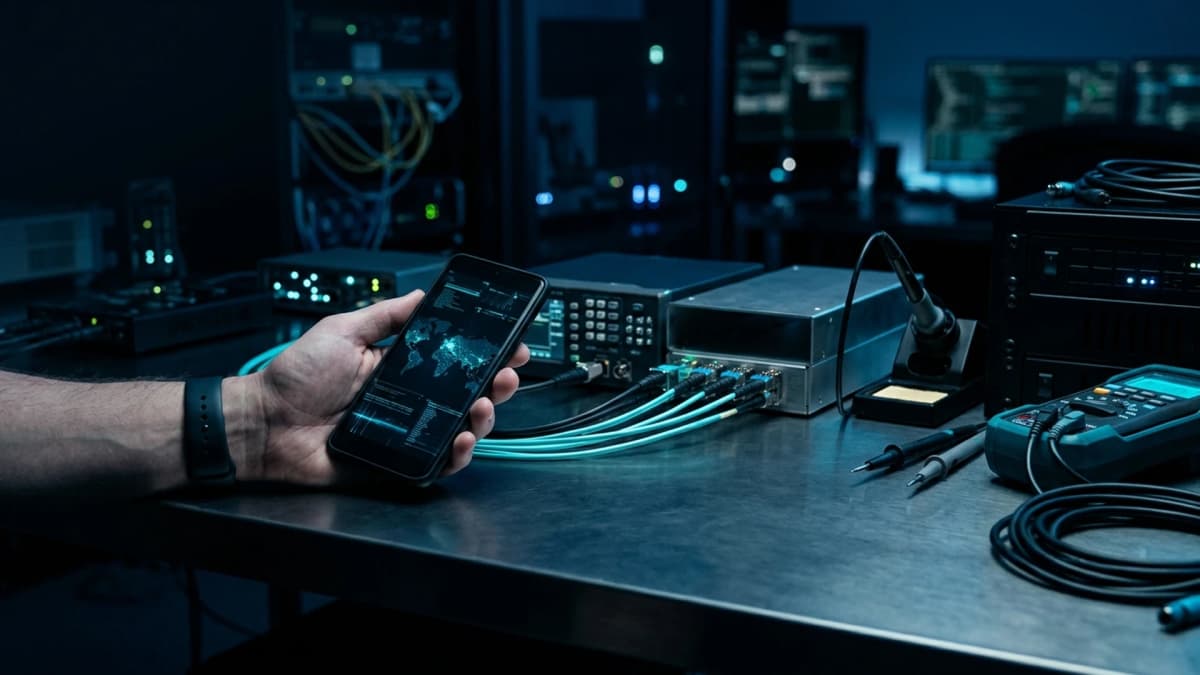
Using mobile wallets for decentralized finance exposes your assets to severe risks. Storing private cryptographic keys on a standard consumer smartphone without isolation turns your phone into an easy target for cybercriminals (trojans, eavesdropping, or cable extraction).
To manage digital assets with complete confidence, users must deploy an architectural defense model built on three indispensable layers.
The architectural weakness of consumer smartphones
Mainstream mobile platforms rely on continuous background processes and broad permissions. This expansive attack surface provides spyware with opportunities to monitor the clipboard or record keystrokes during seed phrase setup.
In physical theft or forensic inspection, tools like Cellebrite bypass screen locks via USB ports. A typical six-digit PIN offers virtually no protection against hardware extraction.
The three essential architectural layers to safeguard your digital assets
Hardware isolation and operating system kernel hardening
The first defense layer eliminates telemetry and hardens the kernel, prohibiting arbitrary unsigned code execution. Hardware data pins on the USB port must lock down instantly when the display turns off, preventing unauthorized tools from extracting stored credentials.
The ultimate security of a crypto wallet does not rely on password length, but on the physical ability of hardware to refuse unauthorized data communication.
Profile sandboxing and volatile memory sanitization
The second layer confines financial apps within isolated user profiles without bridges to everyday apps. This strict sandboxing prevents malware in one container from observing other activities. Simultaneously, the system must enforce screenshot blackouts and purge cryptographic keys from volatile RAM when the device locks.
Dynamic network anonymization and anti-phishing controls
The third layer secures outgoing communications across the internet. When broadcasting transactions to RPC nodes, your phone must never disclose its true public IP address or cellular credentials. Routing web traffic through a multi-hop decentralized VPN with dynamic IP rotation completely severs network surveillance.
Practical recommendations to strengthen your mobile defense
To immediately reinforce your smartphone security, apply these practical rules:
- Strict containerization of wallets : keep your crypto wallets inside a dedicated user profile completely separate from personal communications.
- Disable unused wireless connections : turn off public Wi-Fi, Bluetooth, and NFC interfaces before authenticating any cryptocurrency transaction.
- Rigorous clipboard hygiene : avoid copy-pasting destination addresses and double-check each hexadecimal character before signing transactions.
How Zi0n integrates these three defensive layers
The Zi0n platform unifies these three security pillars into a cohesive mobile ecosystem. By pairing a hardened operating system devoid of Google telemetry with proactive Cable Wipe protection that disables suspicious USB lines, Zi0n systematically eliminates common attack vectors.
Under physical coercion, the Zi0n Duress PIN launches a decoy workspace while safeguarding primary encrypted vaults. Explore the complete technical architecture at zi0n.io.
Frequently asked questions
Do I still need a hardware wallet if my smartphone is secured?
Yes, for long-term cold storage. For active management on decentralized platforms, a hardened smartphone like Zi0n ensures that your keys remain protected wherever you go.
Why do conventional mobile antivirus apps fail?
Standard antivirus solutions rely on reactive signature lists and cannot prevent direct physical extractions through the hardware port.
Does native screenshot blocking truly prevent theft?
Yes. Hardened operating system restrictions force all screen recording requests to return completely blank frames.
What happens if an unauthorized cable is plugged into the device?
Zi0n active defense mechanisms detect unauthorized data negotiation, immediately disable communication lines, and secure volatile memory regions.
Protect your crypto assets today with Zi0n.