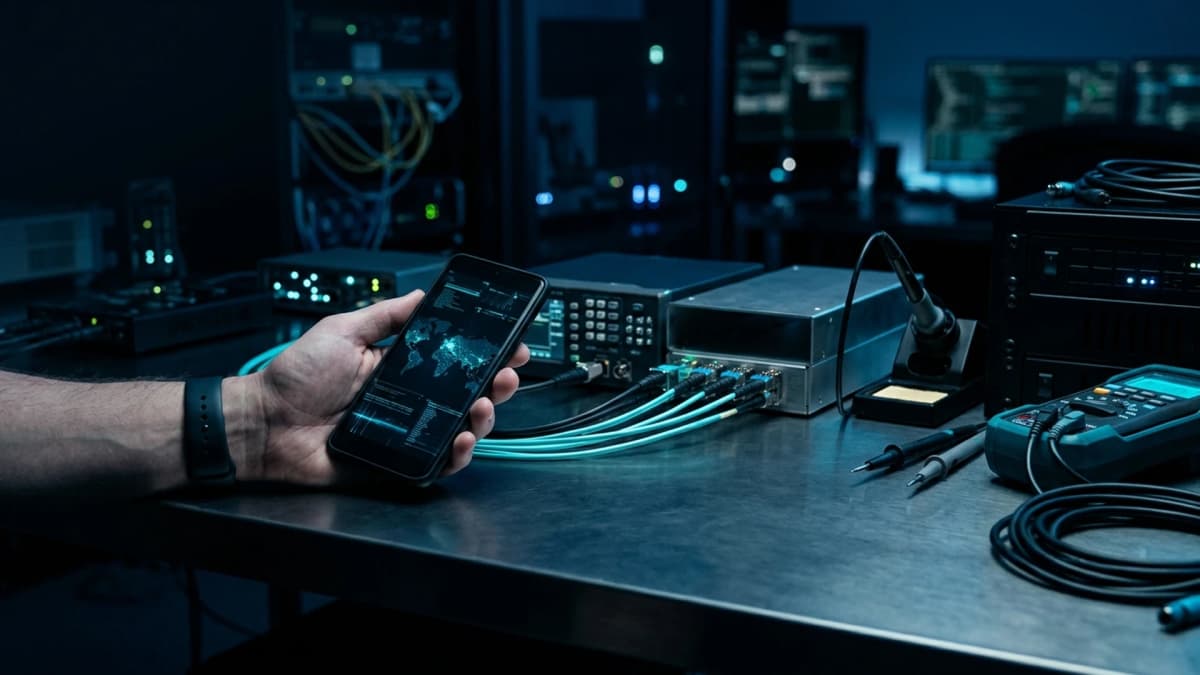

Encrypted phone for crypto investors: the 6 criteria that matter
For any investor managing significant digital assets, the personal smartphone represents the most vulnerable link in the operational security chain. Unlike institutional trading desks shielded by air-gapped corporate firewalls, a conventional mobile device concentrates severe threats: unattended physical access, persistent radio connectivity, and deep reliance on commercial app ecosystems loaded with background trackers.
Holding Web3 wallets and signing keys on an off-the-shelf consumer phone creates irreversible financial risks. Selecting a genuinely hardened device requires looking past superficial marketing claims and rigorously inspecting both physical architecture and low-level software safeguards.
Structural vulnerabilities of mainstream mobile devices in Web3
Consumer smartphones prioritize commercial convenience, seamless app interoperability, and extensive telemetry collection. This architecture produces critical attack surfaces for individuals handling private keys, governance tokens, or substantial liquidity on decentralized protocols.
Modern mobile attack vectors are tangible threats: cellular identity hijacking via fraudulent SIM swaps, trojans quietly inspecting the system clipboard for cryptographic addresses, and automated partition extraction by forensic workstations connected via USB. Confronted with targeted exploitation, standard PIN locks and basic biometric sensors offer virtually no meaningful defense.
True crypto asset custody does not rely merely on the mathematical strength of a seed phrase, but on the physical inability of the device to leak confidential keys during coercive physical or software inspection.
The 6 indispensable criteria of an encrypted phone
A sound technical evaluation for crypto investors and liquidity providers revolves around six non-negotiable operational requirements.
Hardware-level isolation and physical port neutralization
The primary vector during an targeted seizure or physical theft is direct cable attachment. A high-security phone must automatically disable the USB port's data lines upon locking the screen. Whenever an unauthorized forensic extractor such as Cellebrite or GrayKey attempts hardware communication, an active Cable Wipe protocol must immediately purge volatile memory keys, rendering all encrypted flash partitions mathematically indecipherable.
Coercion defense and covert emergency duress codes
Physical coercion and forced unlocking scenarios represent a documented hazard in decentralized finance. A dedicated security terminal must provide plausible deniability through features such as a Duress PIN or covert panic codes. These mechanisms either launch a realistic decoy environment or trigger a silent background data wipe without alerting the adversary through screen prompts or vibration feedback.
Hardened operating system stripped of telemetry
Commercial operating systems continuously transmit device identifiers, geolocation data, and application telemetry to corporate cloud servers. For an investor, this metadata stream compromises operational security. An authentic hardened operating system removes Google Play Services completely, enforces strict memory compartmentalization between applications, and eliminates unauthenticated background outbound traffic.
Active detection of SIM swapping and cellular tampering
Fraudulent SIM duplication remains a preferred method for intercepting two-factor authentication tokens and seizing central exchange accounts. The phone's hardware must continuously monitor the physical SIM tray and active eSIM configurations, triggering immediate defensive lockouts or sanitization routines upon detecting unauthorized changes to the IMSI network identifier.
Decentralized routing and network metadata obfuscation
Communicating directly with blockchain RPC nodes and smart contracts exposes the investor's public IP address, allowing chain surveillance firms to associate transaction clusters with physical locations. Native integration with a decentralized private network featuring dynamic multi-hop IP rotation ensures all network requests remain obscured from Internet service providers and network eavesdroppers.
Screen compositor lockdown and hardware sensor cut-off
Stealth spyware frequently targets mnemonic seed phrases through unauthorized background screen capturing and continuous frame buffering. The operating system's graphical compositor must unconditionally block external screen capture, wireless mirroring, and malicious overlays, while providing firmware-level cut-offs for microphone and camera circuits when idle.
Practical recommendations for securing your investment setup
When deploying an encrypted mobile device within your custody framework, follow these operational habits:
- Segment your communication workflows: maintain everyday social messaging on a separate phone and dedicate your hardened terminal strictly to portfolio management.
- Store seed phrases physically: never back up recovery phrases through cloud notes, screenshots, or messaging apps; use fireproof stainless steel backups.
- Verify transaction payloads manually: carefully confirm recipient addresses and contract calldata on the screen before approving signatures.
How Zi0n fulfills the operational needs of crypto investors
The Zi0n platform unifies these six non-negotiable criteria into a resilient, enterprise-grade mobile environment designed specifically for Web3 operators. Equipped with Cable Wipe hardware countermeasures, multi-tiered Duress PIN workflows, configurable dead-man timers for prolonged network absence, and an un-Googled hardened operating system, Zi0n establishes an uncompromised barrier against physical and digital vectors. Explore the complete security framework at https://zi0n.io.
Frequently asked questions
Why is a hardware wallet alone insufficient when used with an ordinary phone?
A hardware wallet protects private key storage, but the user interface runs on the smartphone. If the phone is compromised, malware can manipulate the displayed address or hijack transaction amounts before physical approval occurs.
Does an encrypted phone like Zi0n support essential trading applications?
Yes. The hardened Zi0n environment supports leading decentralized finance platforms, self-custody wallets, and encrypted messaging applications, running each in strictly compartmentalized sandboxes without metadata leaks.
What happens if the device is lost or detained for an extended period?
Zi0n features customizable inactivity and signal-loss timers. If the phone remains isolated from recognized networks or unlocked beyond the designated timeframe, it initiates a secure cryptographic wipe automatically.
Does the Cable Wipe protocol interfere with regular wall charging?
No. The system accurately distinguishes between standard power delivery sources and connections attempting USB data handshake protocols. For untrusted public chargers, using a USB data-blocker remains recommended practice.