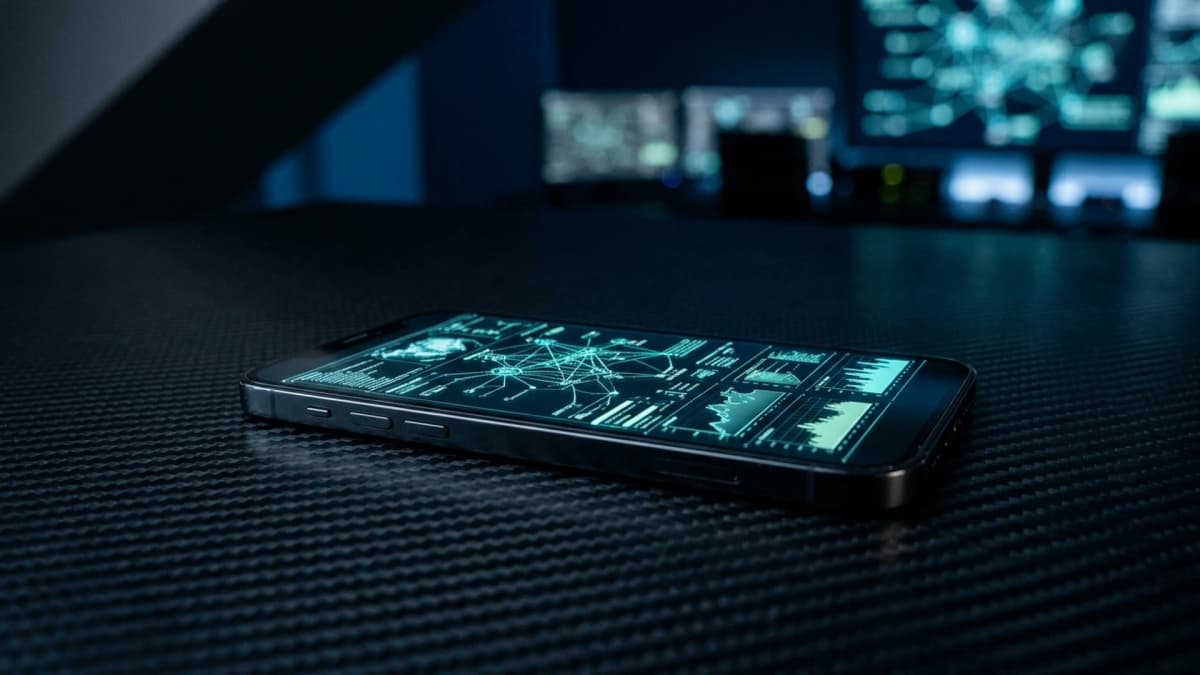
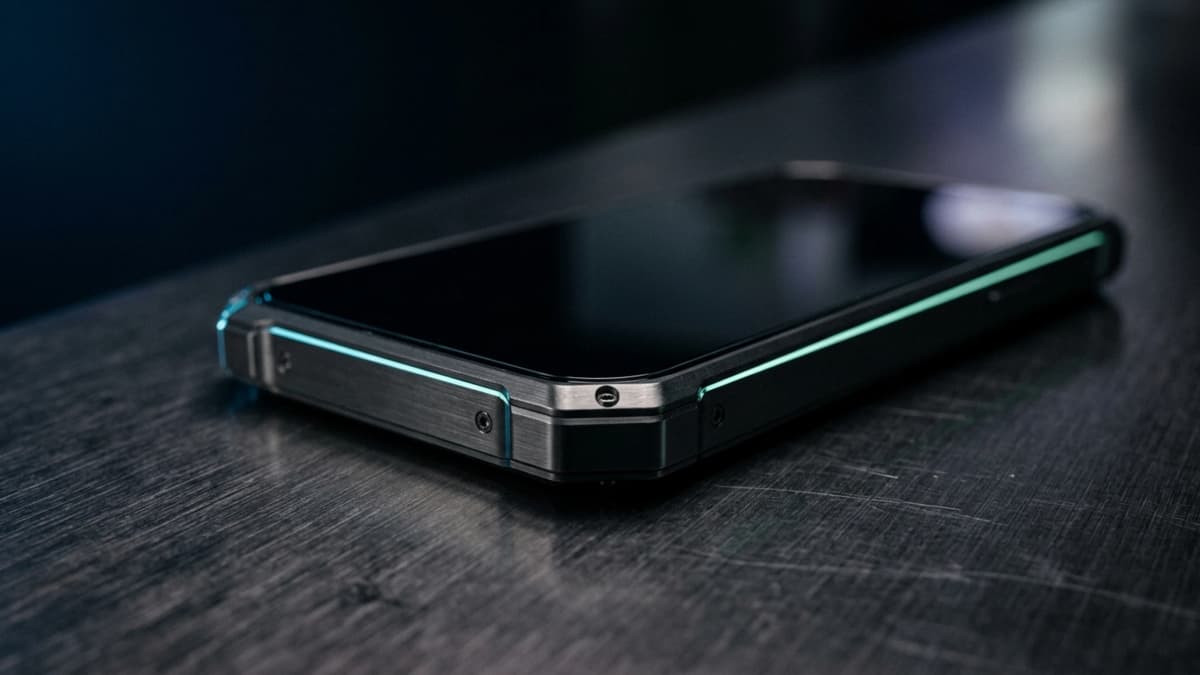
Secure smartphone: threats, criteria, and configurations, the complete dossier
Modern smartphones hold the operational core of our financial assets, confidential communications, and private infrastructure credentials. Carrying cryptocurrency wallets and sensitive business discussions on an off-the-shelf commercial phone transforms the user into a prime target for targeted surveillance and specialized mobile exploits.
Standard protection mechanisms promoted by mainstream consumer brands—such as basic biometric screen locks or app store security scanners—fail when confronted with modern hardware extraction and zero-click spyware. Deploying a genuinely secure smartphone demands an understanding of real attack surfaces, uncompromising hardware standards, and strict operational hardening.
Critical threats targeting standard commercial smartphones
The most dangerous vector for handheld devices is physical cable extraction. During border inspections, physical thefts, or unauthorized seizures, forensic extraction kits leverage USB controllers and debug interfaces to bypass the user lock screen, dumping flash memory when cold boot attack defenses and rapid key purge mechanisms are absent.
Cellular network vulnerabilities present an equally serious risk. SIM swapping and IMSI-catchers allow adversaries to intercept one-time authentication tokens and track physical movement by correlating cellular hardware identifiers. At the same time, zero-click mobile spyware exploits multimedia codecs and system libraries silently, granting unauthorized parties continuous access to microphones, cameras, keystrokes, and clipboard buffers without triggering visual indicators.
Evaluation criteria for a genuinely secure smartphone
Countering modern adversaries requires more than installing an external security app or connecting through an ordinary VPN. True mobile defense requires layered architectural guarantees across hardware, operating system, and network routing.
Hardware isolation and physical extraction defense
A hardened smartphone must incorporate a dedicated tamper-resistant security chip that isolates master cryptographic keys from the main application processor. When physical USB data pins are probed while the device is locked, the hardware must instantly disable communication lines to prevent memory bus exploration.
Hardened operating system and strict sandboxing
The underlying operating system must be stripped of corporate telemetry services, background advertising trackers, and carrier bloatware. Memory allocators must enforce strict per-process sandboxing, neutralizing permission abuse and stopping applications from reading persistent device serials or cross-examining volatile cache memory.
Decentralized network routing and cellular anonymity
Operational discretion requires severing the connection between physical identity and legacy carrier cell towers. Combining anonymous private eSIM connectivity with decentralized dynamic IP rotation prevents mobile carriers and internet providers from cataloging communication metadata or linking asset transactions to a single static network footprint.
Meaningful mobile security does not rely on marketing claims, but on the physical and architectural inability of hardware and software to surrender private keys to an adversary.
Recommended configurations for comprehensive device hardening
To maximize the defensive posture of a hardened mobile platform, several vital configurations should be established upon initial deployment:
- Hermetic user profiles : partition cryptocurrency wallets, confidential messaging suites, and daily web browsing into isolated operating profiles that share zero internal data pipes.
- Shortened auto-reboot interval : configure an automated reboot timer after brief idle periods to flush volatile RAM and return the device to its encrypted at-rest state.
- Strict sensor permission revocation : disable camera, microphone, and screenshot privileges globally for all services except when strictly needed for active real-time tasks.
- Duress PIN implementation : configure an alternate unlock code that presents a functional decoy workspace or triggers selective emergency data purging under direct physical duress.
How Zi0n transforms mobile security in practice
To bridge the gap between rigorous defense and everyday usability, Zi0n delivers a cohesive hardware and software ecosystem built specifically for high-stakes operational environments. The platform incorporates automated countermeasures like Cable Wipe, which severs USB communication channels and clears volatile keys within milliseconds of unauthorized cable detection.
Backed by a decentralized routing network featuring continuous IP address rotation and an operating system free from corporate telemetry, Zi0n guarantees that your cryptographic secrets and private conversations remain entirely sovereign. Whether managing digital assets or protecting sensitive business operations, the device maintains uncompromised defense.
Frequently asked questions
Is a consumer smartphone with a commercial VPN app sufficient?
No, because a standard VPN only encrypts outbound network packets and cannot defend against physical cable extraction, operating system vulnerabilities, or manufacturer telemetry.
How does the Cable Wipe protocol respond to unauthorized inspection?
Cable Wipe actively monitors data pins on the USB port, cutting data transfer pathways immediately and erasing volatile encryption keys if an unauthorized extraction attempt occurs.
Does operating a hardened smartphone require deep technical expertise?
No, Zi0n provides a clean and familiar interface that allows users to manage their everyday workflows inside compartmentalized profiles without needing cybersecurity training.
Why is a Duress PIN essential for cryptocurrency holders?
Under physical coercion, entering the alternate Duress PIN launches an authentic decoy environment, shielding protected data repositories without disclosing that a secondary space exists.
Equip your operational workflows with verified physical and logical defense by exploring Zi0n.io.