WipSIM explained: why removing a SIM card triggers a security alert
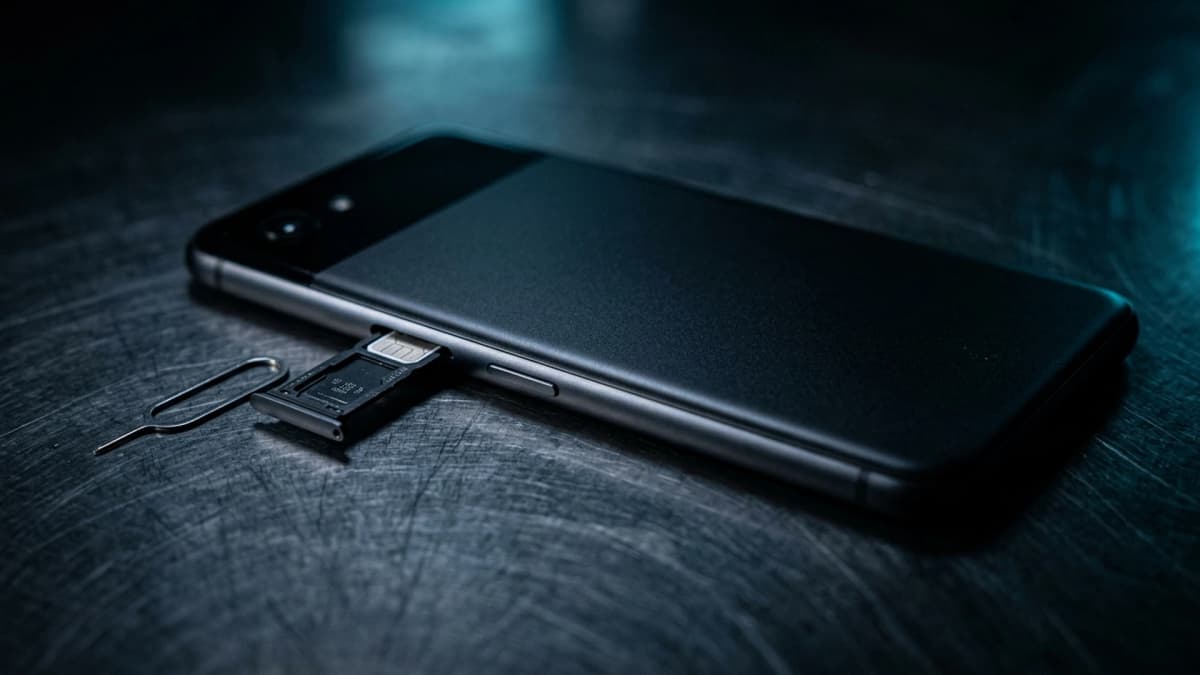
When an attacker or thief snatches a smartphone, their first physical impulse is almost never to guess the lock screen passcode. Within seconds, their instinct is to use an ejector pin to pop open the SIM card tray. This calculated maneuver serves a double purpose: instantly severing cellular connectivity to defeat remote geolocation tracking and cloud wipe commands, and transferring the physical chip into another handset to harvest two-factor authentication SMS codes.
On conventional consumer smartphones, this physical attack meets zero defensive resistance. The operating system merely displays a polite notice indicating that no SIM card is inserted, giving the thief complete freedom to operate offline. To close this critical physical vulnerability, Zi0n developed WipSIM, a proactive hardware defense mechanism that transforms any unauthorized SIM tray ejection into an immediate security alert.
Why physical SIM extraction poses a critical security threat
In mobile risk assessment, direct physical access consistently proves more dangerous than remote spyware. By disconnecting the cellular link, the attacker strips the legitimate owner of every remote control channel offered by cloud management portals or locating tools.
Criminal networks capitalize on this connectivity blackout to initiate banking password resets, capture one-time passwords for cryptocurrency accounts, and hijack instant messaging identities. Similarly, in forensic laboratories, removing the physical SIM card is the mandatory initial step before placing a seized handset into a Faraday bag. This practice freezes volatile RAM state and prepares a wired cable extraction without risk of remote wipe commands reaching the device.
True hardware security must never depend on remote network signals: when a local physical boundary is breached, cryptographic lockdown must precede any attempt at radio isolation.
Technical architecture and inner workings of WipSIM
WipSIM is not an ordinary background service vulnerable to system permission restrictions. It operates natively within the Hardware Abstraction Layer (HAL) and the modem power controller of Zi0n's hardened operating system.
Instant detection across the hardware bus
The physical SIM tray incorporates mechanical switches and electrical continuity traces monitored around the clock by the power management integrated circuit. The instant an ejector tool exerts mechanical pressure to open the compartment, the resulting voltage drop is measured in microseconds.
Zi0n's hardened kernel intercepts this hardware interrupt before the SIM chip contact pads have separated from their socket. If the screen is currently locked, the firmware instantly classifies the event as an unauthorized physical intrusion.
Autonomous defensive response and volatile memory purge
As soon as the anomaly is confirmed, the device launches an automated defensive sequence without requiring any network access:
- Instant zeroization of volatile memory keys: master file encryption keys held in RAM are purged, immediately plunging device storage into an unreadable cold state.
- Preventive lockdown of physical data ports: USB data channels are severed to prevent cable-based forensic extraction tools from negotiating connections.
- Execution of configured defense protocols: depending on user preferences, Zi0n can trigger a total cryptographic zeroization or launch a realistic decoy profile with synthetic data.
Practical guidelines for protecting your cellular layer
To minimize your exposure to physical SIM tampering and account takeover vectors, implement these security habits:
- Configure a strong SIM card PIN: assign an eight-digit numeric PIN to your physical card to prevent its unauthorized use in secondary devices.
- Adopt international eSIM profiles: embedded SIM architectures eliminate the mechanical tray entirely, neutralizing physical card extraction risks at the root.
- Disable lock screen SMS previews: hide incoming verification codes on the display to prevent unauthorized visual inspection when the handset is left unattended.
How Zi0n protects you from physical SIM tampering
When an adversary holds physical custody of your smartphone, common software barriers prove insufficient. The Zi0n ecosystem brings together dedicated hardware and a defensive operating system to deliver a unified security shield.
By combining the microsecond response of WipSIM with our decentralized private network and strict process sandboxing, Zi0n transforms an attempted seizure into a dead end for the attacker. Your private keys, digital wallets, and sensitive communications remain mathematically secure. Learn more about our multilayered architecture at zi0n.io.
Frequently asked questions
What happens when I legitimately need to change my SIM card?
Zi0n includes an authorized maintenance mode. After verifying your identity with your master PIN in device settings, you can pause the WipSIM sensor for five minutes to swap the card safely without triggering alarms.
Does WipSIM remain active while the phone is switched off?
Yes. Secure non-volatile registers record the physical position of the sensor. If the tray is opened while powered down, the system detects the anomaly upon booting and demands the master recovery password.
Protect your most valuable data against physical threats and restore your operational privacy today with zi0n.io.