Zombie accounts: how forgotten apps and old profiles haunt your crypto security

Across multiple market cycles, every investor leaves behind a trail of digital ghosts: a tier-two exchange account opened in 2021 to buy a niche token, a portfolio tracker installed for a weekend test, or a Web3 dApp connected once for an airdrop. Once the trade is over, these services fade from memory while remaining active in the background.
These "zombie accounts" and forgotten mobile apps represent one of the most overlooked blind spots in digital asset protection. Until you take the time to delete an old crypto account and purge unused software from your phone, those dormant entry points continue exposing your identity, device memory, and private keys.
How forgotten accounts come back to haunt your active wallets
A dormant profile on a centralized exchange still holds copies of your government ID, email address, and phone number. When that platform suffers a data breach years later, attackers harvest those records to launch targeted phishing, credential stuffing, and carrier SIM swapping attacks against your current mobile line.
On-chain, the threat lingers through unrevoked smart contract permissions. A decentralized application granted unlimited token approval two years ago can suffer an exploit or malicious takeover, draining assets from your wallet without asking for a new signature.
Inside your smartphone, an abandoned crypto utility or outdated wallet app no longer receives security patches. On a consumer phone where apps share system memory and a universal clipboard, an unmaintained app becomes a prime vehicle for clipboard hijacking and background session spying.
Reclaiming control through digital hygiene and mobile isolation
Eliminating the risk of zombie accounts requires cleaning up your historical footprint while hardening your smartphone architecture against residual background processes.
Closing dormant accounts and sandboxing mobile memory
Your first line of defense is to systematically delete every old crypto account you no longer use, after revoking all active API keys and clearing token spend approvals on your Web3 wallets. On your smartphone, every remaining app must run inside an isolated memory cell via hardware-backed sandboxing, preventing it from reading the clipboard or inspecting neighboring wallets.
To ensure dormant sessions cannot be opened behind your back, per-app locking via Extra PIN enforces a separate authentication code on every financial application. Meanwhile, the WipScreen shield blocks screenshot and screen-recording attempts at the kernel level.
Network anonymity via decentralized VPN and international eSIM
Even after you close a legacy profile, old connection logs may persist in third-party databases. Routing your live traffic through a decentralized VPN with dynamic IP rotation renders historical network metadata useless, distributing your requests across independent logless nodes.
A forgotten account is never harmless: in crypto security, any access point you stop monitoring eventually gets monitored by an attacker.
Pairing your device with an international eSIM breaks the link between the legacy phone number exposed in old exchange leaks and your active mobile data connection, neutralizing SIM swapping at the root.
Hardware port defenses and automated emergency purge
If an old handset or your primary phone falls into the wrong hands, software settings alone are not enough. Hardware-level shields like Cable Wipe and WiPi sever USB data lines and trigger an immediate cryptographic key wipe upon detecting unauthorized forensic cable connections.
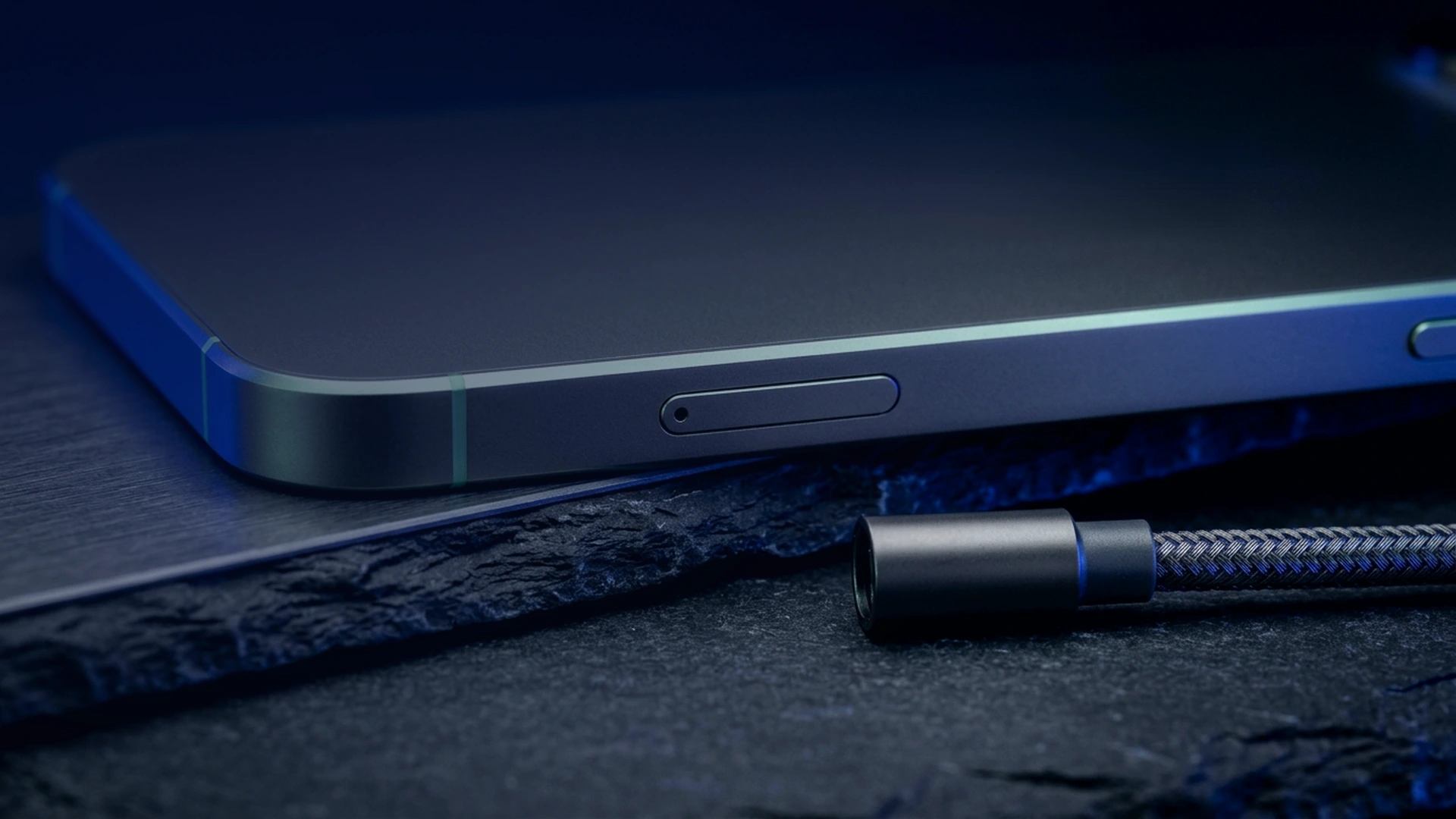
At the same time, WipSIM locks the device the instant the SIM tray is disturbed, while the Duress PIN opens a believable decoy workspace under physical coercion while silently purging your real wallets.
Four practical steps to exorcise zombie accounts and apps
Make this security audit a regular habit to shrink your attack surface:
- Permanent account closure: withdraw any dust balances, delete active API keys, and formally delete every old crypto account on exchanges you no longer trade on.
- On-chain permission cleanup: review your smart contract allowances quarterly and revoke unlimited token approvals tied to inactive dApps.
- Mobile app purge: immediately uninstall legacy portfolio trackers, test wallets, and Web3 utilities that are no longer essential to your workflow.
- Credential compartmentalization: use a unique email alias for every platform and lock each active mobile wallet behind a dedicated Extra PIN.
How does Zi0n shield your smartphone from ghost threats?
Zi0n is engineered to eliminate background bloat and stop dormant processes from acting behind your back. Its hardened operating system runs with zero telemetry or hidden trackers, isolating every Web3 wallet inside a sealed sandbox guarded by Extra PIN and WipScreen.
Combined with its decentralized VPN with dynamic IP rotation, international eSIM, and hardware shields including Cable Wipe, WipSIM, and Duress PIN, your smartphone leaves no room for past vulnerabilities to resurface. Take back full control of your mobile security at https://zi0n.io.
Frequently asked questions
How do I safely delete an old crypto account on an exchange?
First withdraw any remaining funds, export your tax history if needed, delete all API keys and linked bank details, and submit an official account deletion and personal data erasure request to customer support.
Does deleting a mobile wallet app close my blockchain address?
No, blockchain addresses exist permanently on-chain; before removing the app, you should revoke all smart contract token approvals and transfer your funds to an active, isolated wallet.
Why is an old crypto app dangerous if it doesn't hold my seed phrase?
On a standard smartphone, an abandoned app can be compromised through a malicious update or vulnerability to monitor your shared clipboard and swap withdrawal addresses mid-transaction.
How does Zi0n stop a secondary app from spying on my main wallet?
Through strict memory sandboxing, kernel-level WipScreen blocking, and per-app Extra PIN protection, no application on Zi0n can read the memory, screen, or clipboard of another wallet.