End-to-end encryption: how it really works
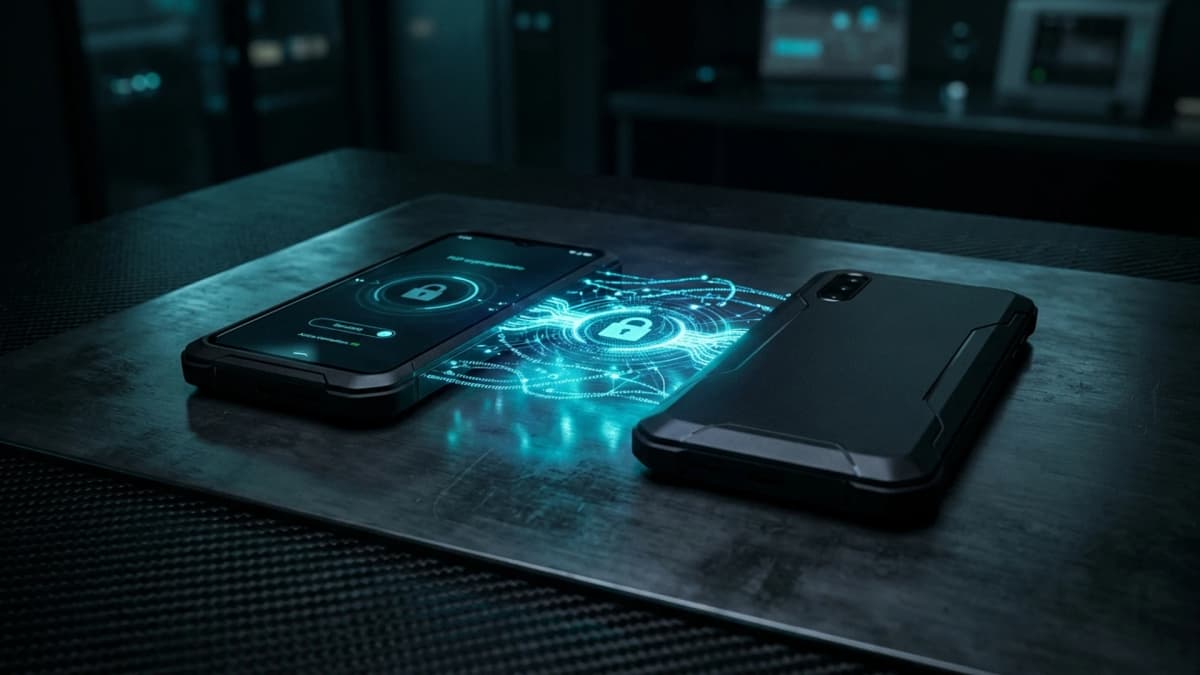
End-to-end encryption has become the foundation of modern messaging apps, yet its technical boundaries remain widely misunderstood. While the theoretical promise guarantees that only sender and recipient can read conversation logs, real-world security requires separating network transit from the physical protection of communicating smartphones.
Behind every private conversation, complex mathematical primitives execute continuously. However, mathematical perfection over the wireless link delivers zero protection if the mobile device handling decryption suffers from operating system vulnerabilities.
Transit encryption versus true end-to-end
Most mainstream online services protect user data strictly in transit via TLS. Messages travel encrypted between your phone and corporate servers, but the company retains the master decryption keys. Platform operators can inspect chat history or provide databases to authorities under legal subpoenas.
In contrast, genuine end-to-end encryption (E2EE) eliminates intermediate parties from the trust model. Cryptographic keys required to seal and open information are generated and stored exclusively on user devices. Even if an adversary intercepts wireless traffic, they collect nothing beyond meaningless ciphertext strings.
The mathematical foundation of modern protocols
The reliability of contemporary encrypted communication systems relies on interlocking cryptographic components:
- Asymmetric key pairs : each device calculates a public identity key shared with servers and a private key locked inside secure hardware memory.
- Diffie-Hellman key exchange : devices combine public and private keys to derive a shared secret without transmitting it across the network.
- Double Ratchet protocol : the messaging engine derives a fresh, short-lived session key for every single message transmitted or received.
- Forward secrecy : compromising any individual session key never compromises past message histories or future communications.
The strongest mathematical cryptography offers zero protection if the physical hardware presenting the text on screen is compromised.
The vulnerable link: attacks on the physical device
Encryption effectively secures the communication channel, but cryptographic protection ends the exact instant text renders on screen and enters device RAM. Modern offensive techniques concentrate heavily on this final physical boundary.
If an operating system hosts spyware, malicious code can capture screen contents, record keystrokes, or harvest clipboard data during message composition. Similarly, during physical inspections or seizures, specialized forensic equipment like Cellebrite exploits USB interfaces to extract flash storage memory.
Practical steps to protect encrypted messaging
To maintain the practical confidentiality of your encrypted communications, follow these baseline security principles:
- Disable unencrypted cloud backups : prevent automatic chat database synchronization to commercial cloud storage where vendors control recovery keys.
- Verify cryptographic security fingerprints : confirm safety numbers or public keys with sensitive contacts in person.
- Isolate confidential applications : separate private communication messengers from everyday social apps containing invasive marketing trackers.
How Zi0n reinforces the endpoints of communication
The Zi0n platform was designed specifically to eliminate the critical vulnerability that software encryption cannot solve: physical device insecurity. By removing commercial tracking services and hardening the Android operating system at its foundation, Zi0n delivers a fortified enclave for private messaging.
Upon screen locking, the Cable Wipe protocol cuts USB data pins and destroys active session keys in volatile RAM, blocking physical cable extractions. Hardware-level screenshot prevention stops rogue background apps from recording message content, while the Duress PIN feature unlocks a harmless decoy profile under physical coercion. Furthermore, outbound traffic routes through a decentralized network with dynamic IP rotation on zi0n.io.
Frequently asked questions
Does end-to-end encryption conceal connection metadata?
No. Standard E2EE shields message contents only. Without complementary network protections like those built into Zi0n, servers and carriers can trace timestamps, contact identities, and message frequencies.
Can a screen capture bypass encryption?
Yes. Once decrypted text displays on screen, local screenshot tools or monitoring spyware capture plaintext directly, bypassing preceding cryptographic layers.
Why do standard cloud backups create vulnerabilities?
Backing up chat logs to standard commercial clouds grants server operators access to message archives, canceling the privacy benefits established by the protocol.
Can intelligence agencies break modern encryption mathematics?
Modern standards like Curve25519 and AES-256 cannot be cracked mathematically with available computing power. For this reason, attackers focus on compromising the smartphone itself.
To protect your confidential communications with uncompromising hardware and logical defenses, discover Zi0n.