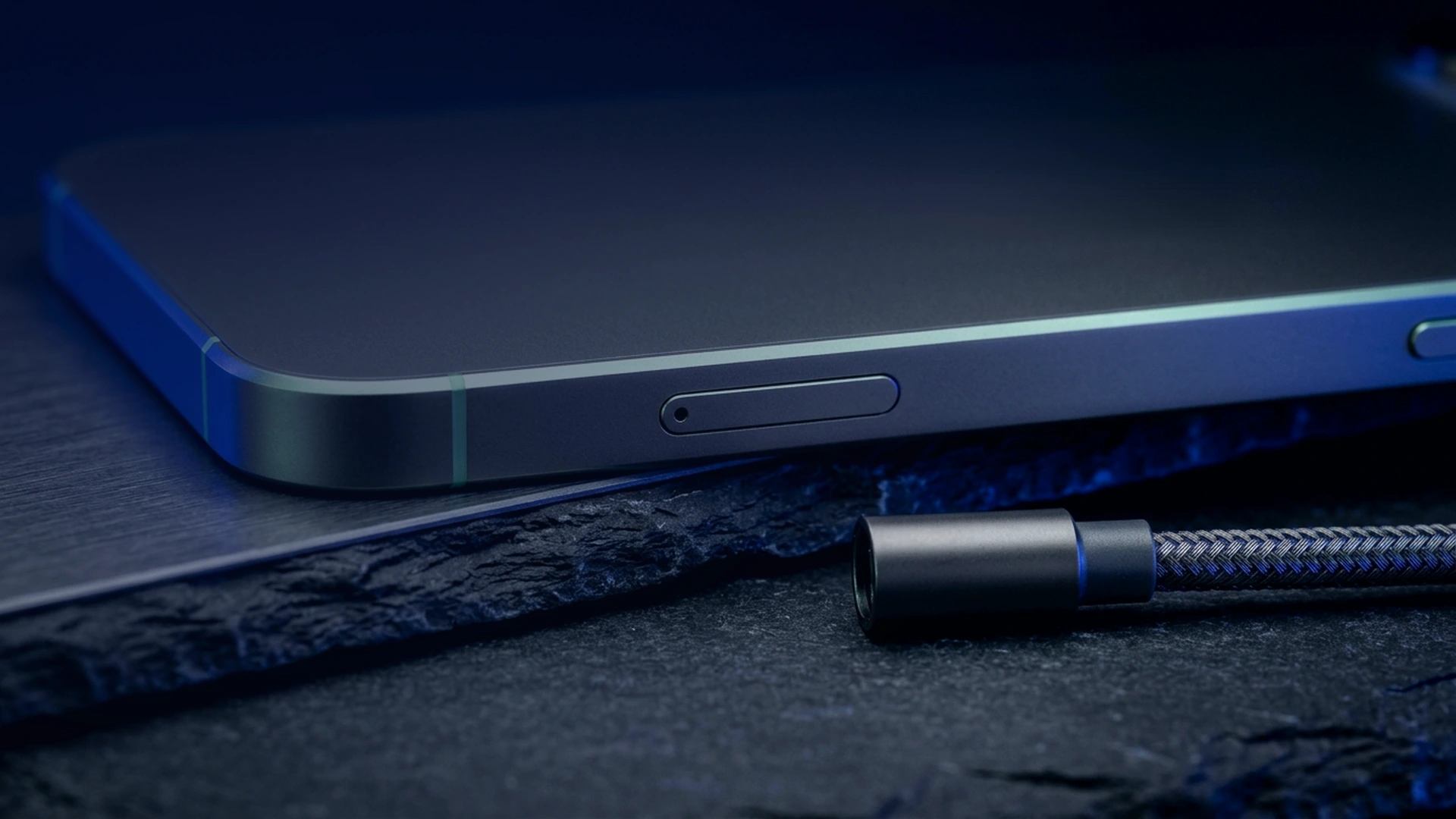
When an investor or executive decides to upgrade their operational privacy, the price of specialized hardware sometimes tempts them to browse peer-to-peer marketplaces or refurbished electronics platforms. On the surface, acquiring an encrypted handset at a discount looks like a sensible financial decision.
Yet in mobile cybersecurity and digital asset custody, a device's provenance defines its trustworthiness. Unlike a consumer smartphone, a hardened phone relies on an unbroken chain of trust: the moment that chain passes through a previous owner or unverified reseller, the apparent savings turn into a critical vulnerability.
The hidden dangers of the second-hand market
Buying a pre-owned security device is equivalent to installing a vault whose keys have circulated among strangers, hoping none of them made a copy. Even if the handset looks pristine and boots into a fresh setup screen, no visual check can verify that its underlying layers remain untampered. Threat actors targeting cryptocurrency holders exploit this blind spot by seeding secondary marketplaces with pre-compromised devices.
A standard factory reset only wipes the user partition; it neither audits low-level firmware nor verifies the physical integrity of the motherboard. If the previous owner compromised the bootloader or soldered a hardware implant onto the USB controller, the modification survives every software wipe. As soon as the buyer imports their Web3 wallets, private keys and recovery phrases are silently exfiltrated.
Technical analysis: why a refurbished handset loses its immunity
Understanding why buying used hardware is an asymmetric gamble requires examining the attack vectors that remain invisible during an online purchase or handover.
Firmware tampering and bootloader persistence
Modern mobile security depends on verified boot, where hardware validates the digital signature of each operating system stage before executing it. On a second-hand device, an adversary with prolonged physical access can unlock the boot chain, flash a modified system image, and mask warning screens. The interface appears authentic, while the altered kernel quietly inspects volatile memory and hijacks the clipboard during transaction signing.
Hardware implants and compromised replacement parts
The repair history of a used phone is opaque. A third-party screen replacement or swapped charging port can conceal a microcontroller capable of recording touch coordinates (hardware keylogging) or bridging data lines to forensic tools such as Cellebrite or GrayKey. Furthermore, counterfeit components can bypass hardware cutoff switches for cameras and microphones, neutralizing protections against eavesdropping.
In cryptographic security, saving a few hundred dollars on hardware never justifies risking the total, irreversible loss of a portfolio through a compromised supply chain.
Hardware identifier tracking and expired security services
Every handset carries permanent factory identifiers, including its IMEI number and radio module addresses. When you purchase a phone from a third party, you inherit the digital footprint tied to those codes: if the device was previously tracked across cellular towers, your financial operations are immediately correlated with a monitored profile. Moreover, used handsets often carry expired network subscriptions, leaving the buyer defenseless against zero-day vulnerabilities on Android.
Key considerations when evaluating used offers
Before trusting a pre-owned device with your digital wealth, weigh these four technical realities:
- Prohibitive cost of hardware auditing: verifying in a laboratory that a motherboard has no hidden micro-implants costs far more than buying a brand-new unit.
- Unverifiable custody history: no private seller can prove that the handset was never connected to forensic extraction gear prior to resale.
- Disproportionate risk-to-reward ratio: the capital managed inside a mobile crypto wallet exceeds the discount of a used phone by orders of magnitude.
- Supply chain integrity: only direct shipment from the official source guarantees a pristine terminal free from intermediate tampering and equipped with active defenses.
How does Zi0n guarantee an unbroken chain of trust?
To eliminate uncertainty surrounding hardware origin, acquiring a device directly from Zi0n ensures end-to-end integrity from operating system hardening to first boot. Each terminal features native application sandboxing and system-level screenshot blocking, ensuring no unauthorized process can observe your wallets or encrypted notes.
Built on this clean hardware foundation, active defenses operate continuously: the Cable Wipe protocol monitors the USB port and triggers an immediate emergency wipe upon detecting unauthorized physical access, while Duress PIN and Extra PIN protect sensitive compartments under coercion by opening a believable decoy profile. Paired with an international eSIM and a decentralized VPN with dynamic IP rotation, your device operates without inherited network traces. Explore certified devices at https://zi0n.io.
Frequently asked questions
Does a factory reset make a second-hand secure phone safe to use?
No. A reset only erases user files while leaving modified bootloaders, altered firmware, and physical implants on the motherboard intact.
Why are crypto investors frequently targeted through refurbished phones?
Because blockchain transactions are irreversible, reselling a discounted phone pre-loaded with a clipboard hijacker is a profitable trap for harvesting seed phrases.
What is the risk of inheriting the previous owner's IMEI number?
The hardware identifier remains linked to the previous owner's cellular history. If that device was monitored, your new activity immediately inherits that exposure on telecom networks.
Why should you always buy a new device directly from Zi0n?
Buying new from the official channel guarantees an intact hardware root of trust, verified activation of Cable Wipe and Duress PIN, and a clean decentralized network from the first boot.