Stepping through an airport checkpoint, boarding a long-haul flight, or working from an executive lounge alters your smartphone's risk profile. Once you leave your trusted environment, your device faces unfamiliar wireless networks and unpredictable physical inspections.
For Web3 investors and executives on the move, carrying a standard phone loaded with active wallets is a major hazard. Selecting the right security options before departure ensures seamless mobility without exposing your private keys.
Why traveling multiplies threats to your smartphone
In transit, your attack surface expands across wireless and physical vectors. Inside airports and hotels, shared Wi-Fi networks make traffic interception and DNS spoofing easy, while roaming exposes your handset to IMSI catchers.
Physical exposure is equally critical. Between X-ray screening trays, public USB kiosks capable of data extraction, and border inspections using forensic tools like Cellebrite or GrayKey, a consumer smartphone lacks hardware defenses.
The best technical options for secure travel
Protecting your operations abroad relies on three complementary layers covering autonomous connectivity, hardware port integrity, and coercion resistance.
Autonomous connectivity via international eSIM and decentralized VPN
The first rule of secure travel is avoiding public Wi-Fi in hotels, lounges, and aircraft cabins. A dedicated international data eSIM eliminates buying local SIM cards at kiosks, which often require biometric registration or expose you to SIM swapping.
To encrypt this link, a decentralized VPN with dynamic IP rotation outperforms conventional VPNs. Because traffic routes across independent nodes without a central server, local providers cannot correlate your location with your blockchain transactions.
Hardware USB port locking and SIM tray monitoring
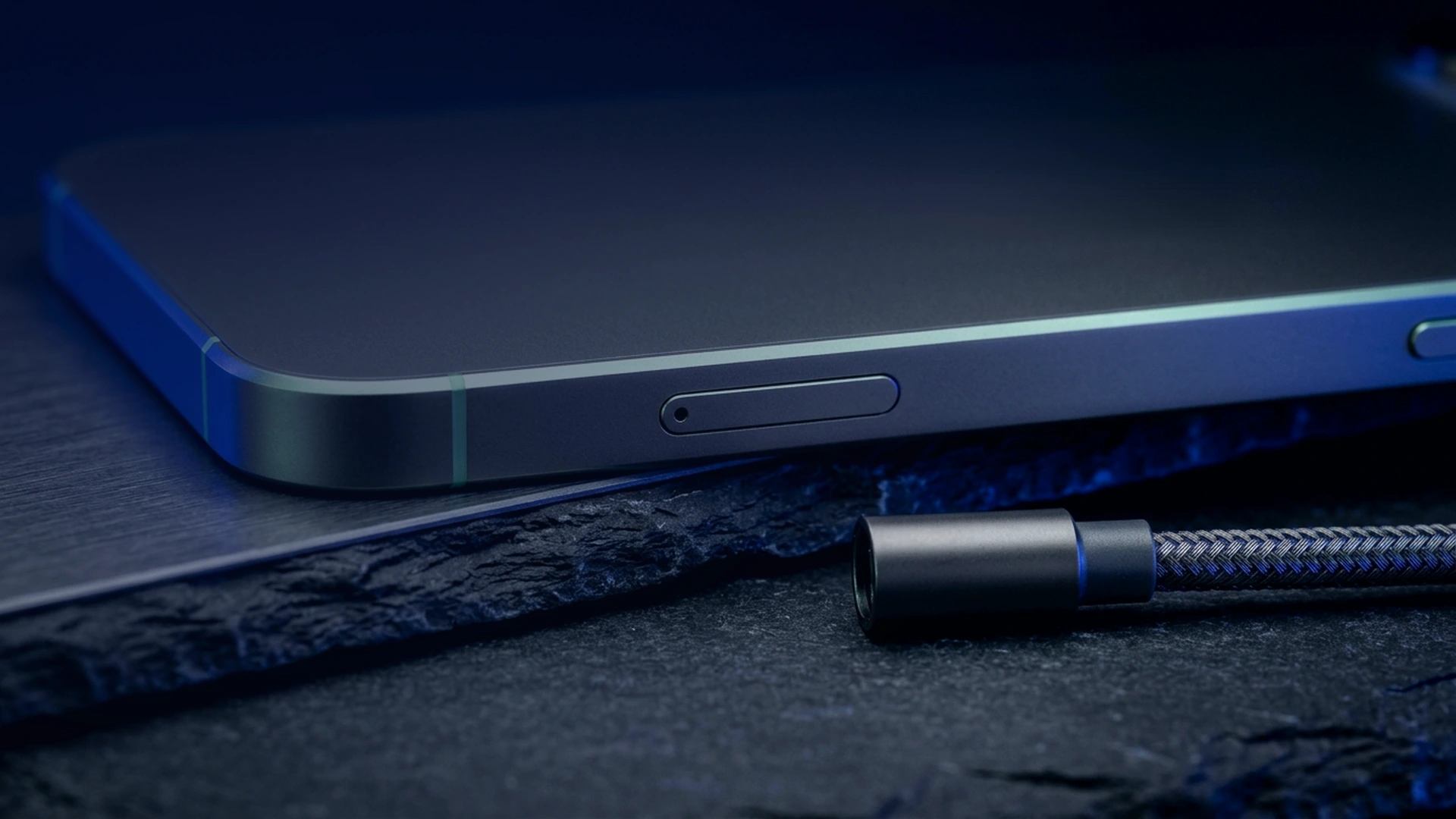
Whenever your phone leaves your sight in a cabin or at a security desk, its charging port becomes the primary intrusion vector. Hardware WiPi protection and the Cable Wipe protocol monitor USB data pins: if a forensic probe attempts a digital handshake, the system blocks data lines or triggers an immediate key purge. Simultaneously, WipSIM locks the device if an unauthorized SIM tray removal occurs.
During international travel, true mobile security is not measured by the length of your passcode, but by your device's ability to neutralize physical extraction or coercion within seconds.
Asset compartmentalization and decoy profiles under duress
Native sandboxing, individual app locking via Extra PIN, and screenshot blocking through WipScreen shield your financial tools from shoulder surfing and spyware. Against physical extortion or forced unlocking, a Duress PIN provides a decisive safeguard: entering this code opens a believable decoy workspace while silently wiping your real wallets and encrypted notes.
Four essential habits before every departure
Apply these four practices before heading to the airport:
- Segmented travel balances: keep only trip liquidity in a transit wallet and leave reserves offline.
- Pre-activated shields: enable Cable Wipe, WipSIM, and the inactivity timer before entering the terminal.
- Zero public USB charging: power your phone only with your battery bank or AC wall adapter.
- Verified emergency codes: memorize your Duress PIN and remove seed phrases from cloud backups.
How Zi0n integrates these travel protections
Zi0n unifies every defense inside a hardened operating system free of telemetry and Google services. The international eSIM, decentralized IP-rotating VPN, and memory sandboxing work together natively.
Before boarding, you can calibrate Cable Wipe, WipSIM, and Duress PIN from the security dashboard. Explore the full architecture at https://zi0n.io.
Frequently asked questions
Is it safe to use in-flight Wi-Fi on an airplane to check crypto wallets?
In-flight Wi-Fi uses shared satellite links. Keep your decentralized VPN active for browsing and wait until landing on your eSIM network to sign transactions.
What happens if my phone is detained during an inspection?
With inactivity auto-wipe and signal-loss detection enabled, the phone automatically purges its cryptographic keys once your preset lock limit expires.
Can I charge my phone on a plane without risking USB extraction?
Yes, by plugging your AC adapter into a power outlet or relying on Zi0n's WiPi and Cable Wipe protections, which block USB data lines.
Should I remove my physical SIM card before crossing a border?
An encrypted eSIM removes tray risks entirely. With a physical SIM, WipSIM locks the phone upon removal. Prepare for your next trip at https://zi0n.io.