Crypto phone: what are we really talking about
The term "crypto phone" has gained widespread traction, yet it frequently fosters dangerous technical confusion between promotional consumer gadgets and genuine mobile cyberdefense platforms. Assuming that a stock commercial smartphone loaded with a pre-installed decentralized wallet or a Web3 marketplace constitutes a secure terminal is a costly misconception. When protecting private keys, confidential negotiations, and digital assets, true protection stems from hardware-rooted cryptographic isolation rather than cosmetic branding.
The Web3 smartphone marketing illusion versus tangible attack vectors
The first category often labeled as a "crypto phone" encompasses ordinary consumer devices wrapped in blockchain brand sponsorships. These phones inherit every fundamental structural flaw of mainstream mobile platforms:
- Vulnerability to SIM swapping attacks: Relying on regular carrier cellular profiles exposes users to social engineering attacks where attackers take over telephone numbers to intercept SMS authentication codes.
- Persistent exposure to Android malware and spyware: Banking trojans and clippers leveraging accessibility services silently monitor clipboard buffers, record display video feeds, and log keystrokes to siphon seed phrases.
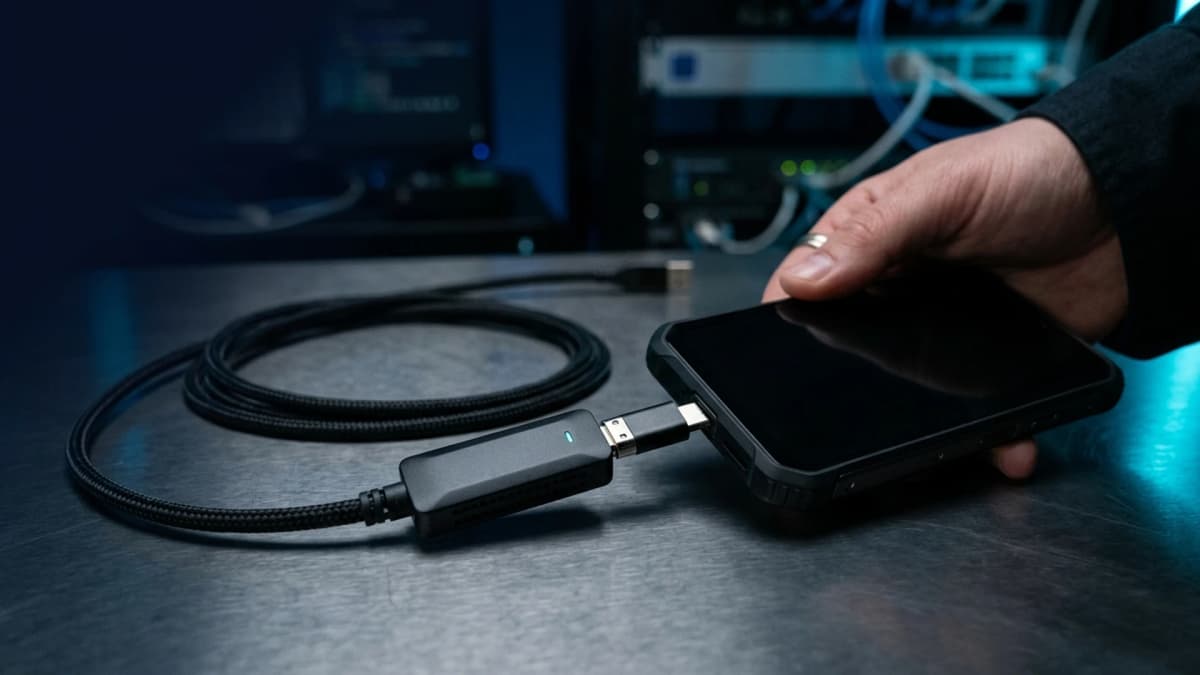
- Physical USB cable forensic extraction: During border inspections, physical thefts, or device seizures, forensic platforms like Cellebrite or GrayKey exploit open hardware debug ports to dump physical flash memory.
- Unchecked OEM telemetry and cloud logging: Operating system background services continue harvesting persistent hardware identifiers (IMEI, Wi-Fi MAC), GPS telemetry, and network logs directly to commercial cloud servers.
What a genuine hardened crypto phone actually is
An authentic crypto phone is engineered under a zero-trust doctrine. Every layer of the device, from low-level bootloader firmware to the graphical window manager, is structured to withstand both sophisticated remote exploits and hands-on hardware intrusion.
Hardware isolation and Zero-Knowledge architecture
In a hardened device, the operating system is stripped clean of tracking mechanisms and third-party cloud synchronizations. Cryptographic storage keys never leave the processor's dedicated secure enclave (AES-256-GCM) and are never uploaded to remote infrastructure. Critical credentials, recovery phrases, and confidential records remain stored strictly within local, isolated vaults.
Active defenses against screen capture and eavesdropping
Combating stealthy malware demands non-negotiable protections at the kernel and display compositor levels:
- Mandatory display capture prevention: The window manager enforces cryptographic black-screen flags across sensitive modules, preventing unauthorized screen mirroring, remote screenshots, and video recording.
- Hardware-level sensor disconnection: Camera and microphone interfaces are isolated at driver boundaries, preventing rogue applications from recording ambient conversations without explicit authorization.
Cable Wipe physical defense and duress authentication
Digital security must seamlessly integrate with physical threat mitigation:
- Cable Wipe (wipi) hardware purge: If an unauthorized data cable, forensic box, or hostile charging station attempts an unauthorized handshake via the USB-C port, the device instantly purges master decryption keys.
- Duress PIN system: If forced to unlock the device under direct coercion, entering a pre-configured distress PIN boots into a convincing decoy profile with mundane data, leaving the real vault invisible.
Five baseline standards to identify an authentic crypto phone
Before entrusting valuable financial holdings or strategic business communications to a device, verify these technical benchmarks:
- Hardened operating system without telemetry: Zero tracking beacons, no mandatory commercial app store accounts, and no automatic cloud sync.
- USB physical port defense: Automated Cable Wipe technology that triggers immediate cryptographic memory protection upon suspect physical connections.
- Anti-coercion profile decoupling: A built-in Duress PIN mechanism providing a believable decoy environment under physical threat.
- Uncompromising display shielding: Kernel-enforced blackouts against screen-recording trojans and a sandboxed clipboard with timed auto-purge.
- Private, sovereign connectivity: Native support for secure international eSIMs and decentralized VPN routing with continuous dynamic IP rotation.
How can Zi0n help you?
Zi0n represents the exact realization of a military-grade encrypted phone built specifically for digital asset managers, Web3 investors, and privacy-conscious professionals. By merging a leak-free hardened OS, automatic Cable Wipe defenses against forensic hardware, duress decoys, and decentralized VPN infrastructure with IP rotation, Zi0n eliminates the structural vulnerabilities plaguing consumer smartphones. Explore our complete security architecture at https://zi0n.io.
Frequently asked questions
Is a standard smartphone paired with a hardware wallet equivalent to a crypto phone?
No. While transaction signing occurs on the physical hardware wallet, the standard smartphone display remains susceptible to screen-scraping malware and clipboard clippers that substitute recipient addresses during interaction. A crypto phone seals the entire operational environment.
How does a crypto phone prevent mobile network tracking?
Through the combined deployment of a private international eSIM and a decentralized VPN network with automated dynamic IP rotation, Zi0n prevents cellular tower triangulation, data packet inspection, and interception by rogue IMSI-catchers.
What triggers the Cable Wipe feature?
Cable Wipe continuously monitors USB hardware handshake attempts. If a connected cable attempts unauthorized data extraction, debugging modes, or protocol probing, the device purges cryptographic keys within milliseconds.
Can secure messaging applications operate safely on a crypto phone?
Yes. Hardened phones like Zi0n run end-to-end encrypted messaging applications in an isolated sandbox, fully shielded against display eavesdropping, keyloggers, and system-level telemetry.