The true cost of mobile crypto security negligence
Treating mobile security as an afterthought is the most expensive mistake digital asset investors can make. In traditional banking, fraud can be contested. On decentralized blockchains, unauthorized transactions settle in seconds, creating irreversible records with zero recourse.
When private keys leak from an unsecured smartphone, the financial damage far exceeds the price of the phone: it represents the permanent liquidation of accumulated capital.
The illusion of savings versus modern attack vectors
Many investors hesitate to adopt hardened devices, assuming a standard smartphone with a PIN provides sufficient safety. This assumption overlooks the covert nature of modern cyber threats. Attackers no longer guess passcodes: they exploit architectural flaws built into mainstream mobile operating systems.
A clipboard hijacker bundled inside a routine app quietly monitors memory buffers. As soon as a crypto address is copied, the malware swaps the destination characters in microseconds. The investor confirms the transfer on a compromised screen, sending their assets directly to the adversary.
Three structural flaws in conventional mobile devices
Background spyware and memory snooping
Commercial systems favor convenience over isolation: everyday apps monitor clipboards or capture display frames. A single unencrypted recovery phrase entered in a standard notes app is sufficient to empty an entire wallet in seconds.
Hardware forensic extraction through unprotected USB ports
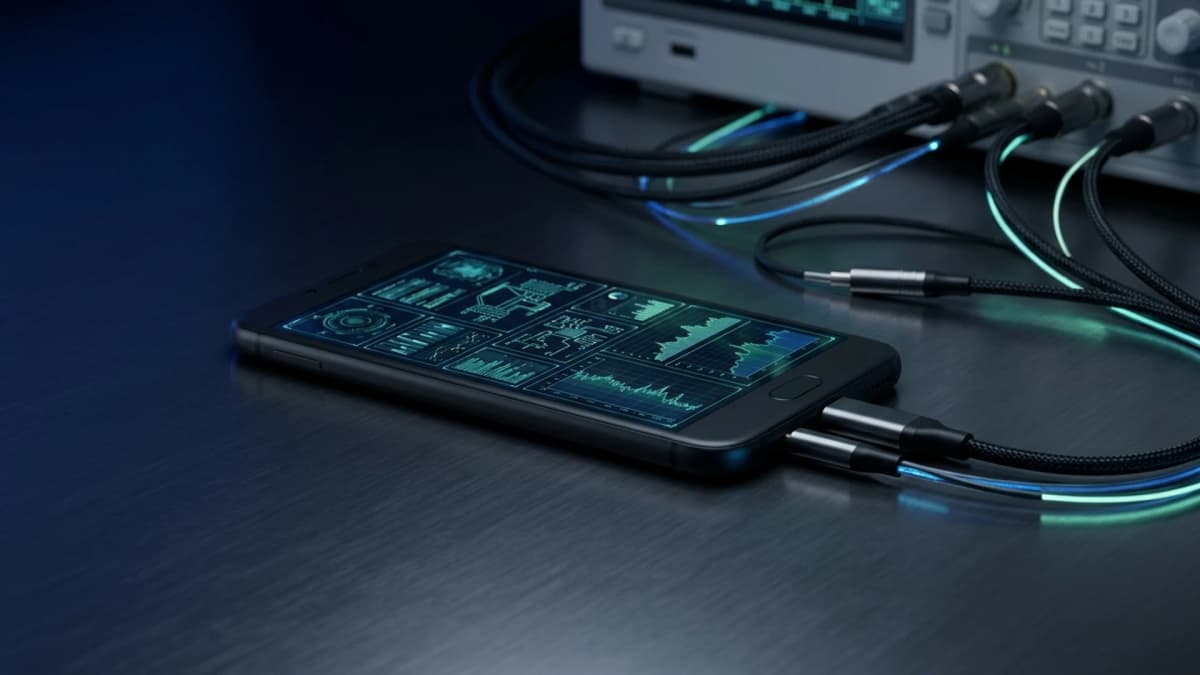
Leaving a device unattended exposes local storage to forensic tools. Using exposed USB endpoints, these specialized units bypass lock screen passcodes and clone device flash memory directly.
Constant metadata correlation and target profiling
The broadcast of cellular identifiers and static IP addresses allows attackers to profile high-net-worth investors, facilitating targeted SIM swapping and scams.
Actionable habits to safeguard your digital holdings
Adopting disciplined mobile routines drastically minimizes your operational exposure to loss:
- Strict device separation : dedicate a hardened terminal exclusively to wallet management, isolated from social media apps.
- Elimination of shared clipboard caches : never copy private keys or sensitive addresses on an unsecured system.
- Hardware USB data blocking : disable automated data handshakes on physical USB ports whenever the device is locked.
- Regular permission audits : periodically inspect background privileges granted to installed apps.
In the cryptocurrency domain, a single second of inattention against mobile malware permanently erases years of disciplined portfolio growth.
How the Zi0n platform neutralizes these vulnerabilities
Countering these critical financial risks requires an uncompromising foundation. Zi0n provides an ecosystem where hardened hardware and a resilient operating system work together to remove commercial attack vectors.
Every Web3 application runs within isolated memory enclaves that prohibit background eavesdropping. While traveling, Cable Wipe terminates USB data handshakes and destroys ephemeral keys the moment an unauthorized connection is detected.
In coercive situations, the Duress PIN opens a decoy environment to safeguard authentic reserves, while decentralized network routing with dynamic IP rotation shields transaction metadata. Learn more on zi0n.io.
Frequently asked questions about mobile crypto security
Why isn't a standard lock screen PIN sufficient on a normal phone?
PIN codes only control interface access: malicious background software or forensic USB tools bypass these barriers with ease.
What is the typical loss in a mobile crypto compromise?
Because automated scripts drain tokens in seconds, victims suffer a total loss.
Does a hardware wallet keep me safe when using an ordinary phone?
Only partially: the transaction is prepared on the phone, so a compromised screen can trick you into signing a fraudulent transfer.
What signs indicate that a smartphone may be compromised?
Abnormal battery drain, unexplained heating while idle, and unexpected data spikes frequently indicate active background surveillance.