
Zi0n encrypted notes: beyond a simple secure notepad
Managing high-value digital secrets on everyday consumer smartphones poses severe security risks. Many individuals mistakenly believe that securing a standard mobile notepad with a PIN or fingerprint sensor is sufficient to protect their private keys, master passwords, or confidential business records.
In practice, simple software-level note-taking apps leave sensitive information exposed to memory scraping, background spyware, clandestine screen capture, and direct physical extraction over hardware interfaces.
The invisible vulnerabilities of standard notepad apps
Mainstream note-taking applications operate on porous architectural foundations. Even when biometric or password authentication is required at startup, the underlying text payload is typically loaded in plaintext directly into system RAM once the session begins. When background spyware, banking trojans, or malicious accessibility services execute on the same operating system, they can inspect the visual display tree, monitor clipboard updates, or silently record screen buffers without raising system warnings.
Furthermore, almost all commercial note utilities synchronize user content to third-party cloud infrastructure by default. This automatic transmission creates a massive attack surface, exposing confidential data to cloud server intrusions, administrative subpoenas, and account credential harvesting.
Software encryption remains ineffective if decryption keys linger in shared memory accessible by other system processes, or if physical device extraction can bypass OS-level barriers.
Architectural defenses: hardware enclaves and isolated memory
To counter these sophisticated threats, the encrypted notes feature built into the Zi0n environment implements a security-first paradigm backed by low-level hardware isolation and strict cryptographic routines.
Ephemeral in-memory decryption
Unlike conventional applications, Zi0n encrypted notes are never stored unencrypted on the smartphone's flash storage volume. Encryption keys are generated, derived, and safeguarded exclusively within the dedicated hardware security enclave. When a user requests a note, the content is decrypted on demand within an isolated, volatile RAM partition. As soon as the display turns off or the application transitions out of focus, this temporary memory is purged, preventing cold-boot extraction or post-execution memory analysis.
Screenshot prevention and clipboard hardening
Logical and visual attack vectors are neutralized at the core OS kernel level:
- display shield enforcement : the mandatory FLAG_SECURE system attribute completely prohibits screen recordings, local screenshots, and external display streaming of the notes interface.
- automatic clipboard purge : when sensitive credentials are copied, the clipboard cache automatically purges the data after a short duration to deny access to clipboard-sniffing utilities.
- strict process sandboxing : neighboring applications cannot poll the notes view hierarchy or probe allocated memory segments.
Essential practices for securing high-consequence data
To maximize the benefits of this hardened environment, users should adhere to key operational security principles:
- data compartmentalization : store cryptocurrency recovery seed phrases separately from everyday administrative credentials.
- zero cloud dependency : keep sensitive notes strictly offline within local encrypted hardware storage without linking third-party cloud conduits.
- short display timeout : maintain an aggressive screen timeout policy to ensure volatile memory purges immediately when the phone is set down.
How Zi0n safeguards your confidential intelligence
Zi0n provides an integrated defense model that far exceeds standalone consumer applications. By uniting a hardened mobile operating system, zero commercial telemetry, and strict hardware port governance, Zi0n ensures that confidential notes stay out of reach from remote attackers and physical forensic extraction tools alike.
During high-risk encounters or coercion scenarios, defensive protocols like the Duress PIN and Cable Wipe provide rapid, non-recoverable key destruction to protect the user's safety and operational integrity. Explore how Zi0n redefines hardware-backed mobile privacy at zi0n.io.
Frequently asked questions
Do Zi0n encrypted notes synchronize with external cloud servers?
No. The core design principle of Zi0n relies on strict local-only isolation. Notes are stored exclusively within the phone's hardware-backed enclave and are never uploaded to remote networks.
What happens if an attacker attempts forensic cable extraction?
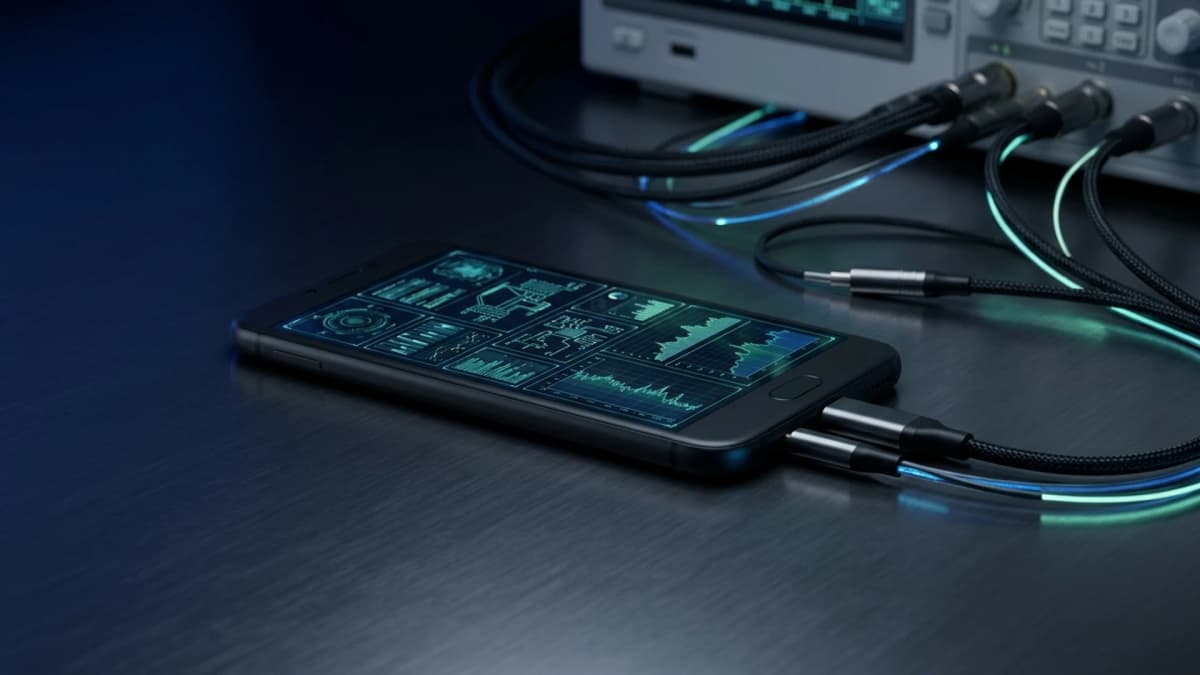
When the device is locked, physical data pins remain disabled, preventing extraction utilities such as Cellebrite or GrayKey from harvesting keys or reading encrypted storage.
Can I safely store crypto wallet recovery seed phrases in Zi0n notes?
Yes. With memory isolation, rapid RAM flushing, and native screenshot blocking, Zi0n notes offer a trusted offline vault for seed phrases and private keys.
Can malicious apps installed on the device read notes in the background?
No. Advanced sandboxing controls and strict privilege separation prevent other installed applications from inspecting notes memory or viewing screen contents.
Learn more about next-generation mobile security architecture at zi0n.io.