The most common phone hacking techniques in 2026
Smartphones hold the keys to modern personal and professional operations, from corporate credentials and confidential messaging to decentralized wallet keys. The mobile cybercrime ecosystem has evolved rapidly over recent years, transitioning from crude phishing attempts into automated, highly stealthy intrusion methods capable of bypassing commercial mobile protections.
Recognizing modern attack vectors is the essential first step toward securing critical assets before an irreversible compromise occurs.
Dominant mobile intrusion vectors in 2026
The commercialization of mobile surveillance tools has altered the threat landscape dramatically. Modern attackers deploy lightweight, modular payloads engineered to harvest session tokens, monitor cryptographic key generation, and intercept sensitive input without triggering visible system notifications. Their objective is no longer immediate disruption, but persistent, covert reconnaissance.
Mainstream consumer mobile operating systems prioritize ad tracking and frictionless convenience over hardened containment. This permissiveness leaves persistent background channels open to silent exploitation by sophisticated implants or physical extraction hardware.
Technical breakdown of contemporary hacking methods
Modern phone compromises combine remote software exploits with direct physical attacks against hardware ports.
Covert surveillance and zero-click exploits
Zero-click vulnerabilities target background daemons handling multimedia parsing, push notifications, or wireless handshakes. A specially crafted network packet sent via messaging applications can execute arbitrary code in system memory without requiring any user interaction or link clicks. Once active, the payload gains access to microphone feeds, real-time GPS coordinates, and decrypted communication streams directly at the application boundary.
Physical extraction through USB interfaces and malicious cables
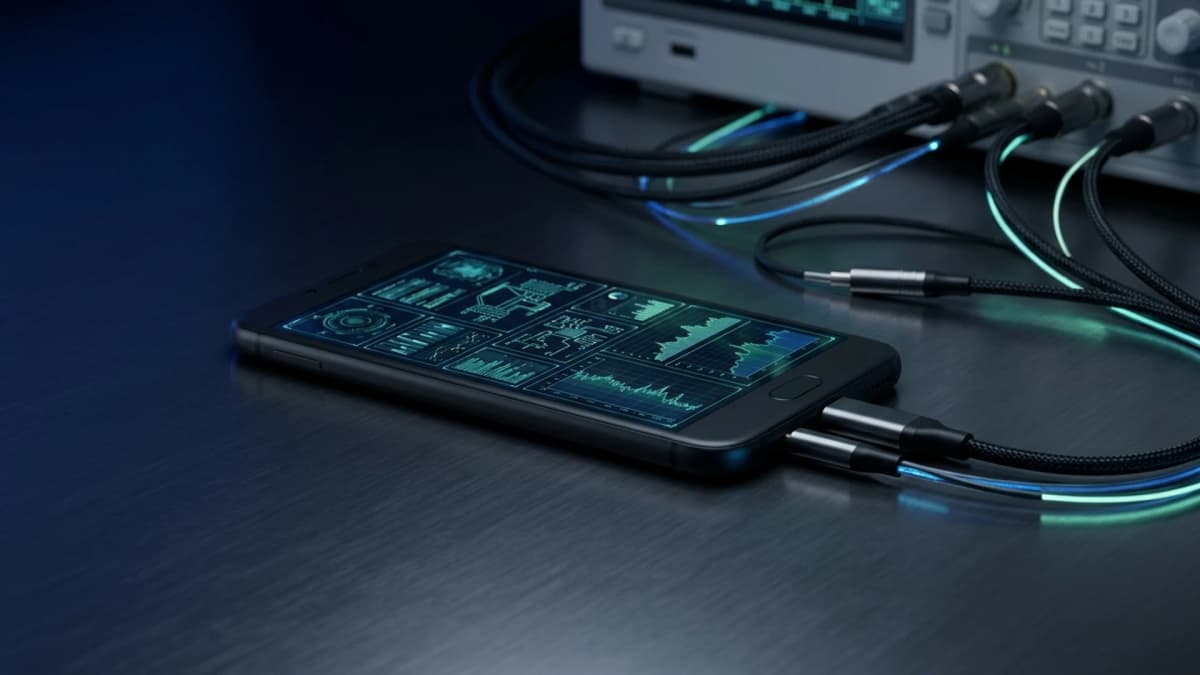
Wired connections remain one of the fastest avenues for comprehensive device data dumping. During border interrogations or when devices are plugged into unverified charging kiosks, specialized forensic workstations such as Cellebrite and GrayKey leverage USB data pins to bypass standard lockscreen controls and image flash storage partitions directly.
True mobile defense does not depend on passcode complexity, but on the hardware's physical refusal to establish unauthorized data connections.
Clipboard hijacking and background screen capture
Banking trojans and infostealers often operate without root privileges. By continuously polling the system clipboard, these programs detect cryptocurrency wallet formats or recovery seed patterns and instantly overwrite the address with an attacker-controlled destination. Advanced strains also capture low-frequency screenshots whenever sensitive financial applications are brought to the foreground.
Defensive practices to minimize attack surfaces
Implementing disciplined operational security habits effectively eliminates the vast majority of opportunistic attacks:
- Wireless interface isolation : keep Bluetooth, Wi-Fi, and NFC toggled off whenever you are moving through public or untrusted spaces.
- Strict USB data enforcement : rely on dedicated power-only charging adapters or data blockers that sever data wire connections entirely.
- Operational role segregation : maintain separate environments for routine public web browsing and critical private asset administration.
How Zi0n neutralizes advanced phone hacking
To withstand these evolving vectors, Zi0n departs from traditional reactive software patches in favor of deep architectural defense. The operating environment strips away commercial tracking frameworks and enforces strict process sandboxing at the kernel level.
To stop physical cable extraction, Zi0n features Cable Wipe technology, which monitors USB data pin activity and triggers an instant purge of volatile memory keys the moment an unauthorized connection attempt is detected. Furthermore, hardware-level display shielding blocks unauthorized screen recording, while decentralized network routing with dynamic IP rotation frustrates rogue cellular towers and interception points. Learn more about the hardened device architecture at zi0n.io.
Frequently asked questions about mobile hacking
Can an ordinary user detect a zero-click exploit?
Standard diagnostics rarely reveal zero-click infections, as they do not show anomalous battery drain or unexpected apps. Detecting them requires hardware integrity attestation and low-level kernel log inspection.
Does restarting a smartphone eliminate modern spyware?
While non-persistent memory payloads vanish upon power cycling, advanced spyware embeds persistence mechanisms within boot partitions or reinstalls via network beacons immediately after restart.
Why are public charging stations dangerous?
Public USB ports carry physical data lines alongside electrical current. A malicious port or embedded BadUSB microcontroller can simulate human interface keystrokes or exfiltrate files within seconds.
How does a duress PIN counter physical coercion?
A duress PIN launches an authentic-looking secondary profile stripped of sensitive data, satisfying attackers or inspectors while safeguarding real operational workspaces.
Discover how to safeguard your communications against emerging mobile threats at zi0n.io.