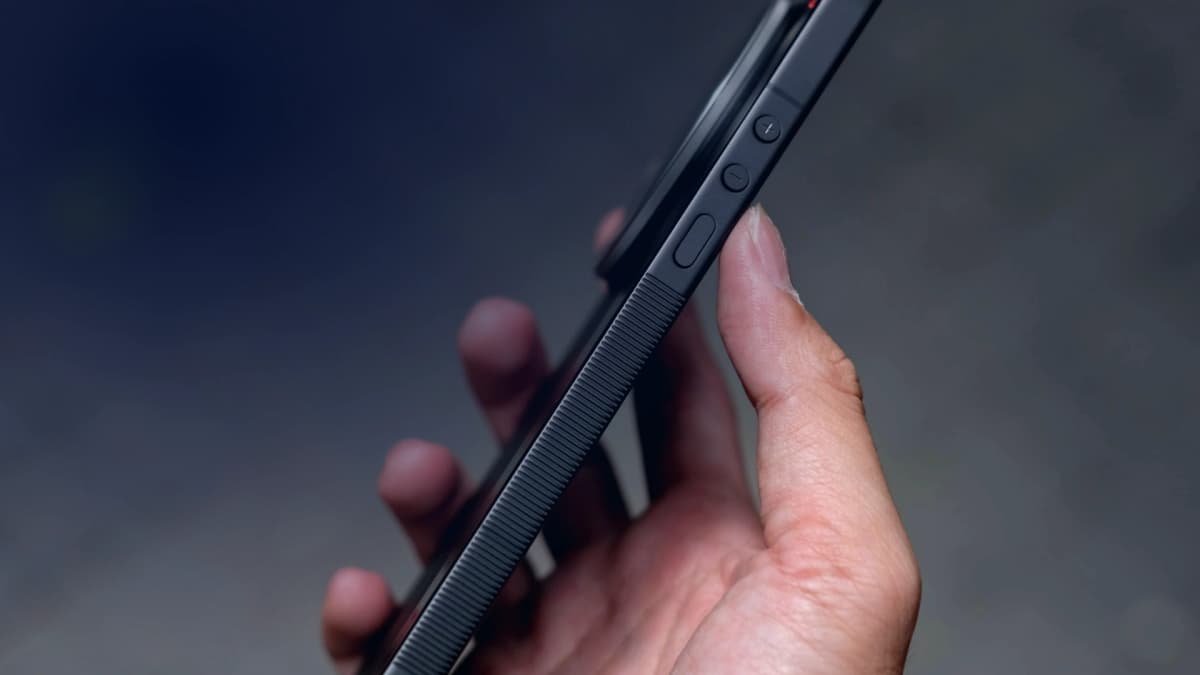
Encrypted phone vs standard smartphone: key practical differences
Comparing an encrypted phone to an off-the-shelf commercial smartphone based solely on visual appearance is a dangerous mistake. While both hardware designs feature high-resolution touchscreens and run everyday applications, their underlying architecture, security models, and threat profiles are fundamentally opposite.
Open commercial architecture vs zero-trust defense
Standard commercial smartphones manufactured by mainstream tech conglomerates are intentionally designed to maximize cloud integration, monetization pipelines, and background telemetry. This open framework creates structural attack surfaces that standard mobile antivirus software cannot mitigate:
- Persistent telemetry and identity profiling: Hardware identifiers such as IMEI numbers, cellular baseband handshakes, and vendor-linked accounts continuously stream precise location logs and behavioral analytics to remote corporate servers.
- Zero-click exploits and stealth spyware: Military-grade implants such as Pegasus compromise stock devices through memory corruption vulnerabilities in media parsers or messaging stacks, executing payloads without requiring any user click.
- Physical forensic extraction via USB: Standard smartphone charging ports maintain active data transport lines by default. Dedicated forensic hardware like GrayKey or Cellebrite utilizes these data pins to dump flash storage and bypass lockscreen passcodes in minutes.
- Absence of physical duress countermeasures: In the event of extortion, mugging, or forced inspection, commercial smartphones offer only a single unlock code, forcing the target to surrender unhindered access to communications and financial wallets.
Five core technical distinctions
A hardened, encrypted device running Zi0n rebuilds the digital chain of trust through five foundational layers of physical and logical protection:
1. Hardened operating system and zero telemetry
The device runs an unbloated, hardened environment completely stripped of Google Mobile Services, Apple tracking frameworks, and third-party diagnostic code. Every application runs inside an isolated, encrypted sandbox that prevents unauthorized memory reads, clipboard surveillance, or background data leaks.
2. USB data isolation and Cable Wipe protocol
While a standard smartphone immediately negotiates data links whenever a cable is plugged in, an encrypted phone physically blocks data bus communication to only allow power delivery. The Cable Wipe protocol actively monitors port activity, triggering immediate cryptographic key purging from RAM if unauthorized forensic tampering is detected.
3. Duress defense and decoy environments (Duress PIN)
When confronted with direct physical intimidation, a regular device offers zero defense. An encrypted phone features a dedicated Duress PIN: entering this secondary code on the lockscreen launches a believable decoy interface containing ordinary applications and trivial balances, while keeping all sensitive vaults completely concealed and unreachable.
4. Anonymous connectivity with private eSIM and decentralized VPN
Rather than linking cellular traffic to an identity verified through mandatory KYC, an encrypted device leverages global anonymous eSIM profiles paired with a decentralized VPN network featuring continuous IP rotation, effectively eliminating geolocation tracking and cellular SIM-swapping hazards.
5. Strict peripheral control and screen capture neutralization
System-level controls enforce hardware and software kill-switches for microphones and cameras, while natively disallowing screen recording and background frame grabs. Surveillance trojans are rendered completely blind and deaf.
Practical recommendations to harden your mobile environment
- Strictly compartmentalize operational domains: Never run mission-critical Web3 wallets or sensitive executive discussions on the same device used for personal social networking and mobile gaming.
- Reject untrusted USB charging stations: Avoid plugging smartphones directly into public charging ports at transportation hubs without a dedicated data-blocking adapter.
- Eliminate SMS-based authentication: Replace vulnerable SMS verification codes across all financial accounts with hardware FIDO2 security tokens or offline authenticator apps.
How can Zi0n help you?
Zi0n provides an uncompromising, comprehensive shield against the systemic vulnerabilities found in consumer smartphones. Combining an audit-proven hardened operating system, proactive port defense via Cable Wipe, tamper-proof Duress PIN decoy profiles, and decentralized end-to-end encrypted networking, Zi0n turns your smartphone into an unyielding fortress. Explore supported hardware configurations and detailed capabilities at https://zi0n.io.
Frequently asked questions
Are high-end commercial smartphones not already encrypted by default? Factory encryption protects static files at rest when the phone is fully powered down, but offers no protection once unlocked against zero-click spyware, vendor telemetry, or forensic USB extraction.
Can I run conventional communication and productivity apps on Zi0n? Yes. Essential business and financial applications operate seamlessly inside strictly isolated sandboxes without leaking device identifiers or memory snapshots.
How does Zi0n differ from a standard commercial VPN? Commercial VPN services route traffic through centralized data centers subject to subpoenas and logging mandates. Zi0n utilizes a decentralized network with multi-hop IP rotation and zero activity retention.
What happens if the phone is subjected to an unauthorized physical inspection? Using the Duress PIN or triggering automated Cable Wipe defenses isolates internal memory structures, presenting a plausible decoy profile or purging master decryption keys instantly.
To take command of your digital privacy and protect critical assets, visit https://zi0n.io.