Wipi explained: how Zi0n blocks unauthorized cable access
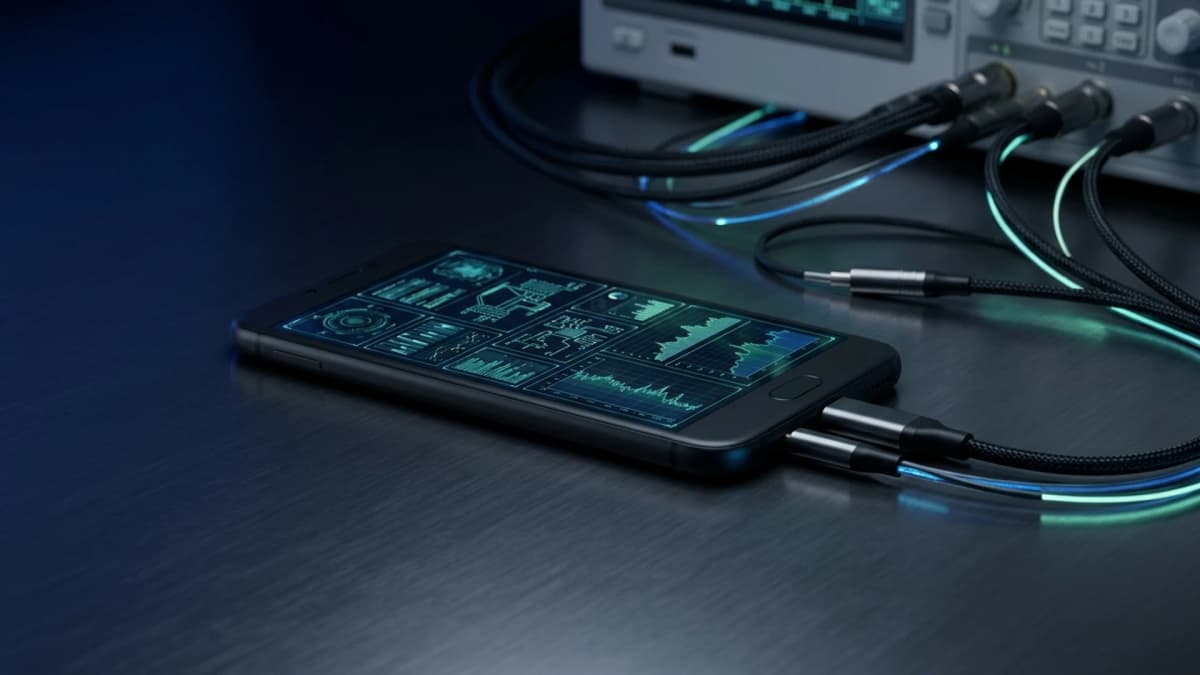
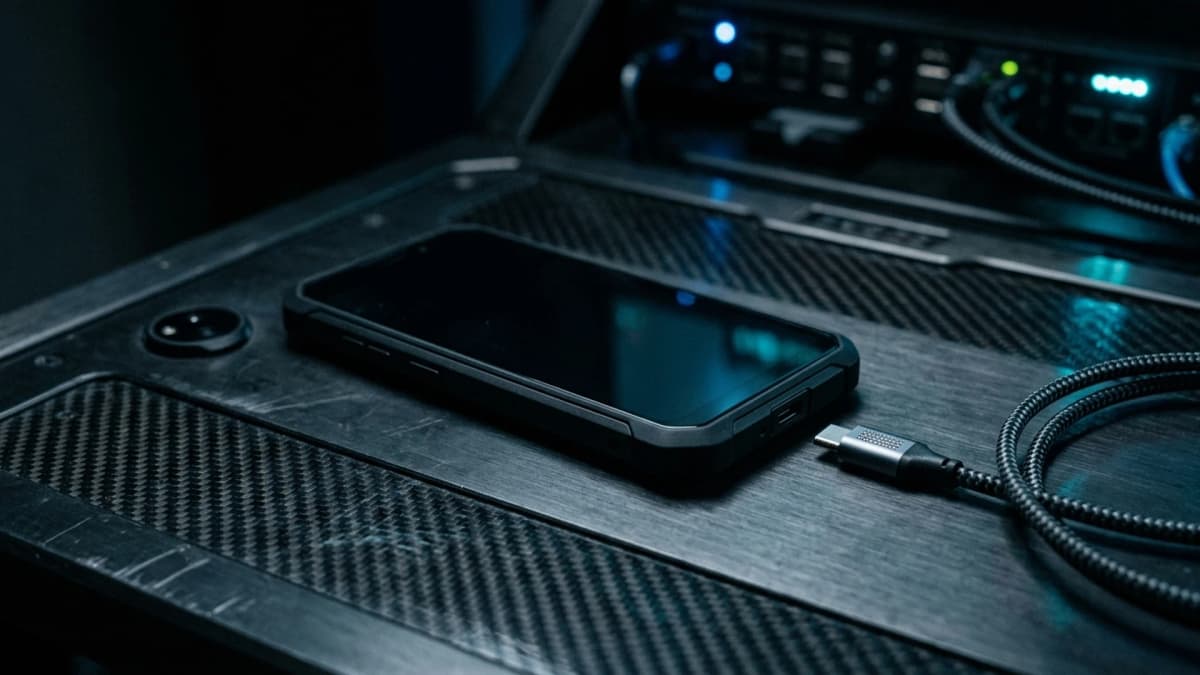
Plugging in a physical USB cable remains one of the fastest vectors to compromise a smartphone. During a border inspection, an unexpected seizure, or at a compromised public charging kiosk, a wired connection exposes device controllers directly to external hardware.
To counter this immediate physical threat, Zi0n integrates Wipi—a proactive defense mechanism engineered to block unauthorized data exfiltration the instant an untrusted cable is plugged in.
Why physical cable access poses a critical threat
Most users assume mobile intrusions happen exclusively over the air through remote spyware. In real-world security scenarios, physical access via the USB port delivers an almost guaranteed success rate against standard commercial phones.
Dedicated forensic extraction stations such as Cellebrite UFED or GrayKey do not waste time guessing lockscreen passcodes. Instead, they force the processor into low-level download modes (such as EDL or BootROM), instantly bypassing the software controls of commercial operating systems. Furthermore, juice jacking attacks in airports and hotels use tampered charging ports to siphon files while the user simply recharges.
Technical architecture of the Wipi defense
Wipi is not a conventional background app, but a hardware-level security directive embedded within power management and USB controller firmware.
Inspection of differential USB data lines
A standard charger only supplies electrical power across voltage and ground pins (VBUS and GND). In contrast, a forensic extraction station or host computer immediately attempts a data handshake across differential lines (D+ and D-), or through USB-C Configuration Channel (CC) pins.
Whenever the Zi0n handset is locked, the hardware controller continuously inspects these electrical lines. Any unauthorized attempt to establish a data connection is classified as an active physical attack within microseconds.
Instant cryptographic zeroization in the Secure Element
The handset's reaction is instantaneous and decisive. Overwriting hundreds of gigabytes of flash storage would take too long during a rapid seizure. Therefore, Wipi targets the core of mobile encryption: the hardware security module (Secure Element / HSM).
In a fraction of a millisecond, the processor destroys the master AES-256 keys used for File-Based Encryption. Deprived of these isolated hardware keys, the entire flash storage degrades into irreversible digital noise that cannot be deciphered, even with supercomputers.
Local autonomy and Faraday cage immunity
Conventional MDM platforms rely on cellular or Wi-Fi networks to receive remote wipe commands. However, forensic examiners immediately isolate captured devices inside a Faraday bag to block wireless radio signals. Wipi operates 100% locally on the device hardware: no cellular signal, satellite connection, or remote server ping is required.
Practical habits to minimize physical exposure
Adopting a few operational safeguards significantly reduces your physical attack surface while traveling:
True hardware security allows no compromises: when an unauthorized physical intrusion is detected, cryptographic key destruction must precede data access.
- USB data blockers: carry a physical adapter that severs data pins when recharging on public wall outlets.
- Offline backups: keep cryptocurrency recovery phrases and critical records on physical media disconnected from the internet.
- Strict port policies: ensure automatic USB data line deactivation remains enforced whenever your secured device is locked.
How Zi0n protects you
Wipi technology is an essential layer of the deep defense architecture engineered into Zi0n. By pairing a hardened operating system based on GrapheneOS with proprietary hardware modules, Zi0n eliminates the attack vectors exploited by commercial spyware. The terminal also features a Duress PIN against physical coercion, WipScreen against screen surveillance, and decentralized VPN routing with dynamic IP rotation.
Frequently asked questions
What happens with an ordinary wall charger?
A legitimate charger only supplies electrical power. Wipi will not activate because no data negotiation occurs on communication pins.
Does Wipi require an internet connection?
No. The system acts entirely at the local hardware level, remaining fully effective in airplane mode or inside a Faraday pouch.
Can Cellebrite bypass Wipi?
No. Detection occurs within the hardware microcontroller before any external payload can execute in the BootROM.
Can data be recovered after Wipi triggers?
No, the cryptographic deletion of master keys is mathematically permanent. Offline backups remain essential for critical information.
Discover all technical specifications and order your hardened device on the official Zi0n portal.