Crypto security from A to Z: wallets, accounts, transactions, and devices
Protecting digital assets never comes down to a single isolated measure, such as a complex password or a hardware wallet in a drawer. When an investor actively manages capital, real security depends on an unbroken chain connecting four critical pillars: wallets, accounts, transactions, and the device used for every operation.
If just one link fails—a hijacked SIM card, a clipboard monitored by spyware, or an unlocked phone seized under duress—an entire portfolio can be drained within minutes.
Why fragmented protection leaves crypto holders exposed
Specialized attackers rarely try to break blockchain math; instead, they target the operational environment where users manage keys. A cold wallet loses its immunity the moment its recovery seed is photographed on a phone or saved in cloud notes. Likewise, an exchange account with a strong password collapses during a SIM swapping attack that intercepts SMS recovery codes.
At the transaction stage, Android trojans swap destination addresses in the clipboard or overlay fake approval screens to trick users into signing malicious smart contract permissions. Finally, the smartphone itself acts as the primary point of failure, facing both USB forensic extraction tools like Cellebrite or GrayKey and direct physical coercion.
The four pillars of an A-to-Z defense architecture
Building a resilient security posture requires coordinating technical barriers across software, network connectivity, and physical hardware.
Wallet segregation and sovereign seed custody
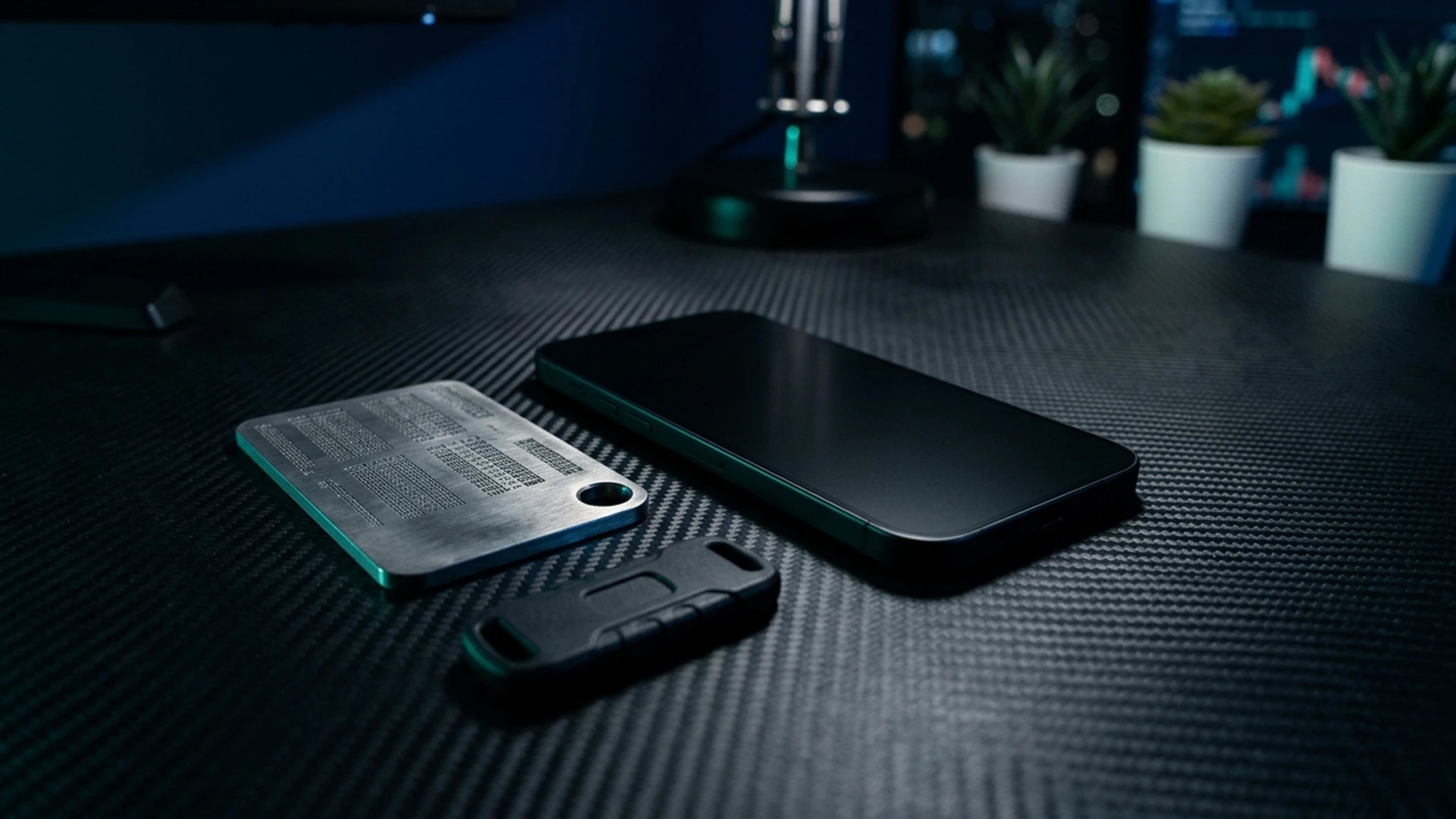
Strict portfolio hygiene separates long-term reserves from daily liquidity. Core holdings must remain offline on fireproof metal plates, never stored in photo galleries. Active mobile hot wallets must run inside isolated memory compartments (sandboxing) so third-party apps cannot inspect ephemeral keys or capture screen contents.
Account hardening and cellular immunity
Securing exchange accounts requires removing public phone numbers as a recovery factor. Two-factor authentication should rely on hardware keys or local encrypted generators, neutralizing social engineering targeting telecom providers.
A cryptocurrency wallet is never more secure than the device on which you verify, approve, and sign your transactions.
Transaction verification and network anonymization
Every blockchain signature is irreversible and requires visually verifying the full recipient address and smart contract permissions. Operating through an international eSIM paired with multi-hop decentralized routing hides your IP address and prevents metadata correlation over public networks.
Physical and logical device hardening
Because the smartphone serves as the investor's command center, it must defend against silent spyware and physical seizure. Hardware power cutoffs for cameras and microphones, native screenshot blocking, and immediate RAM purging upon screen lock stop key exfiltration.
Practical operational habits to apply every day
Integrate these four foundational disciplines into your daily workflow:
- Strict wallet tiering by exposure: divide holdings between a cold vault, an intermediate wallet, and a capped daily mobile wallet.
- Regular revocation of Web3 approvals: revoke unlimited token spending allowances granted to decentralized protocols after trades.
- Full visual address verification: inspect the leading and trailing characters of every address and refuse blind signing.
- Dedicated hardware isolation: use a hardened handset free of commercial telemetry and recreational apps that could introduce spyware.
How does Zi0n unify protection across your crypto ecosystem?
Rather than layering isolated apps onto a vulnerable consumer phone, Zi0n integrates wallet, account, transaction, and hardware defense into a sovereign operating system with sealed sandboxing and local encrypted notes.
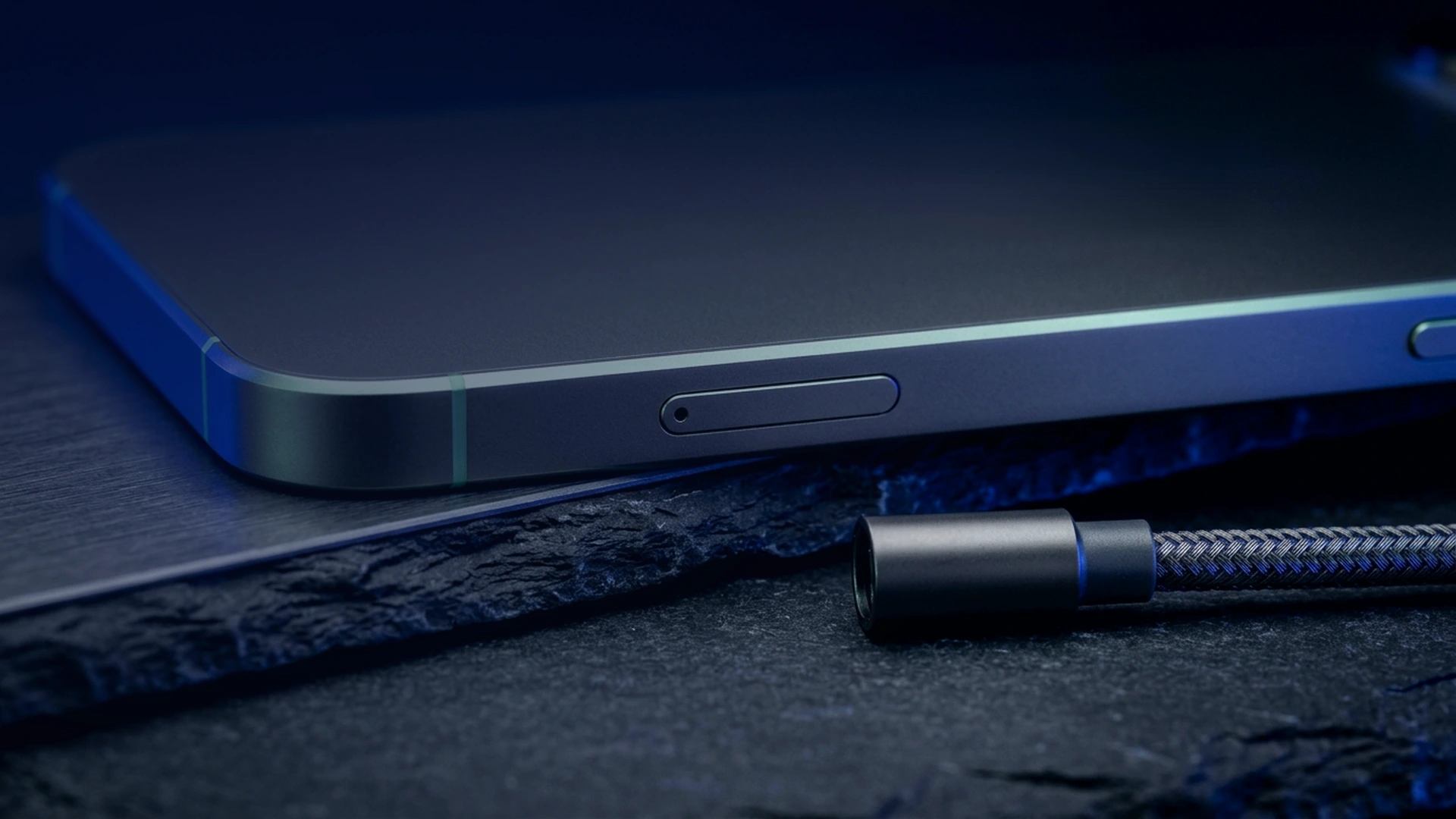
On the physical front, Cable Wipe neutralizes USB forensic extraction attempts by severing data lines and purging encryption keys when an unauthorized connection is detected. Under physical coercion, entering the Duress PIN unlocks a believable decoy profile while hiding your real crypto partitions. Combined with a decentralized VPN featuring dynamic IP rotation and an international eSIM, every transaction stays protected. Explore https://zi0n.io.
Frequently asked questions
Why is a hardware wallet alone not enough?
It keeps keys offline, but preparing transactions on a spyware-infected or seized smartphone still allows attackers to swap displayed addresses or force transfers.
How can I protect accounts against SIM swapping?
Replace SMS verification with isolated local authenticators or hardware keys, reinforced by Zi0n's private international eSIM and SIM tray alerts.
How do Cable Wipe and Duress PIN protect a Zi0n device?
Cable Wipe blocks forensic USB extraction by purging keys from memory, while Duress PIN opens a realistic decoy profile under physical duress.
How can I secure crypto transactions while traveling?
Rely on Zi0n's decentralized routing with dynamic IP rotation to encrypt traffic and avoid unprotected public Wi-Fi networks.